
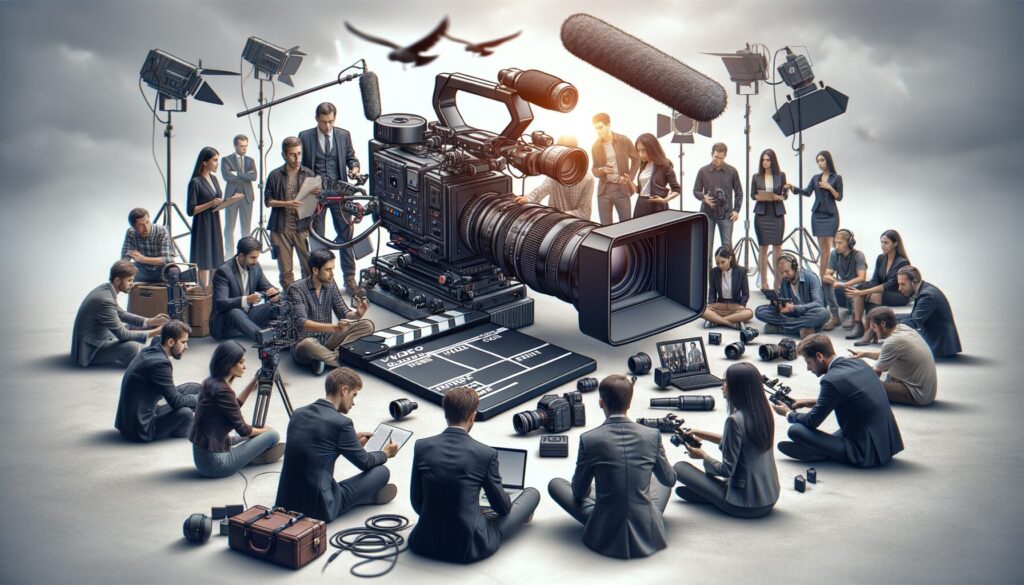
Video production has come a long way since its inception. In the early days, filmmakers relied on bulky cameras and complex editing equipment that required a significant amount of technical know-how. The process was labor-intensive, often involving physical film reels and darkroom techniques. As technology advanced, the introduction of digital cameras revolutionized the industry. These cameras not only made filming more accessible but also improved the quality of the footage significantly. With the ability to shoot in high definition, filmmakers could capture stunning visuals that were previously unattainable.
The evolution didn’t stop there. Software advancements have transformed the editing process, allowing for more creativity and efficiency. Programs like Adobe Premiere Pro and Final Cut Pro have become staples in the industry, enabling editors to manipulate footage with precision and ease. Additionally, the rise of cloud storage has made collaboration easier than ever, allowing teams to work together from different locations. This technological evolution has democratized video production, making it possible for anyone with a smartphone and a computer to create professional-looking content.
In exploring the current landscape of video production, it’s essential to consider the advancements in artificial intelligence and its impact on the industry. A related article that delves into this topic is titled “How AI is Transforming Video Production,” which discusses the integration of AI tools in streamlining workflows and enhancing creativity. For more insights, you can read the article here: How AI is Transforming Video Production.
The Impact of Social Media on Video Production
Social media has fundamentally changed how video content is produced and consumed. Platforms like YouTube, Instagram, and TikTok have created new avenues for creators to share their work, leading to an explosion of video content online. This shift has prompted video producers to adapt their strategies to cater to shorter attention spans and the demand for quick, engaging content. As a result, videos are now often designed to be easily digestible, with a focus on captivating visuals and concise storytelling.
Moreover, social media has fostered a culture of immediacy and authenticity. Audiences are drawn to raw, unpolished content that feels relatable and genuine. This trend has encouraged many creators to embrace a more informal style of video production, often using smartphones and basic editing tools to produce content that resonates with viewers. The emphasis on authenticity has also led brands to rethink their marketing strategies, opting for user-generated content and influencer partnerships that feel more organic and trustworthy.
The Rise of DIY Video Production

The DIY video production movement has gained significant traction in recent years, largely fueled by advancements in technology and the accessibility of online resources. With affordable cameras and editing software readily available, aspiring filmmakers can now create high-quality videos without breaking the bank. This shift has empowered individuals to take control of their creative projects, leading to a surge in independent content creation.
Online platforms have played a crucial role in this DIY revolution. Tutorials on YouTube and courses on platforms like Skillshare have made it easier for people to learn the ins and outs of video production. As a result, many individuals are now equipped with the skills needed to produce everything from vlogs to short films. This democratization of video production not only fosters creativity but also encourages diverse voices and perspectives in the industry.
The Influence of Virtual Reality and Augmented Reality on Video Production
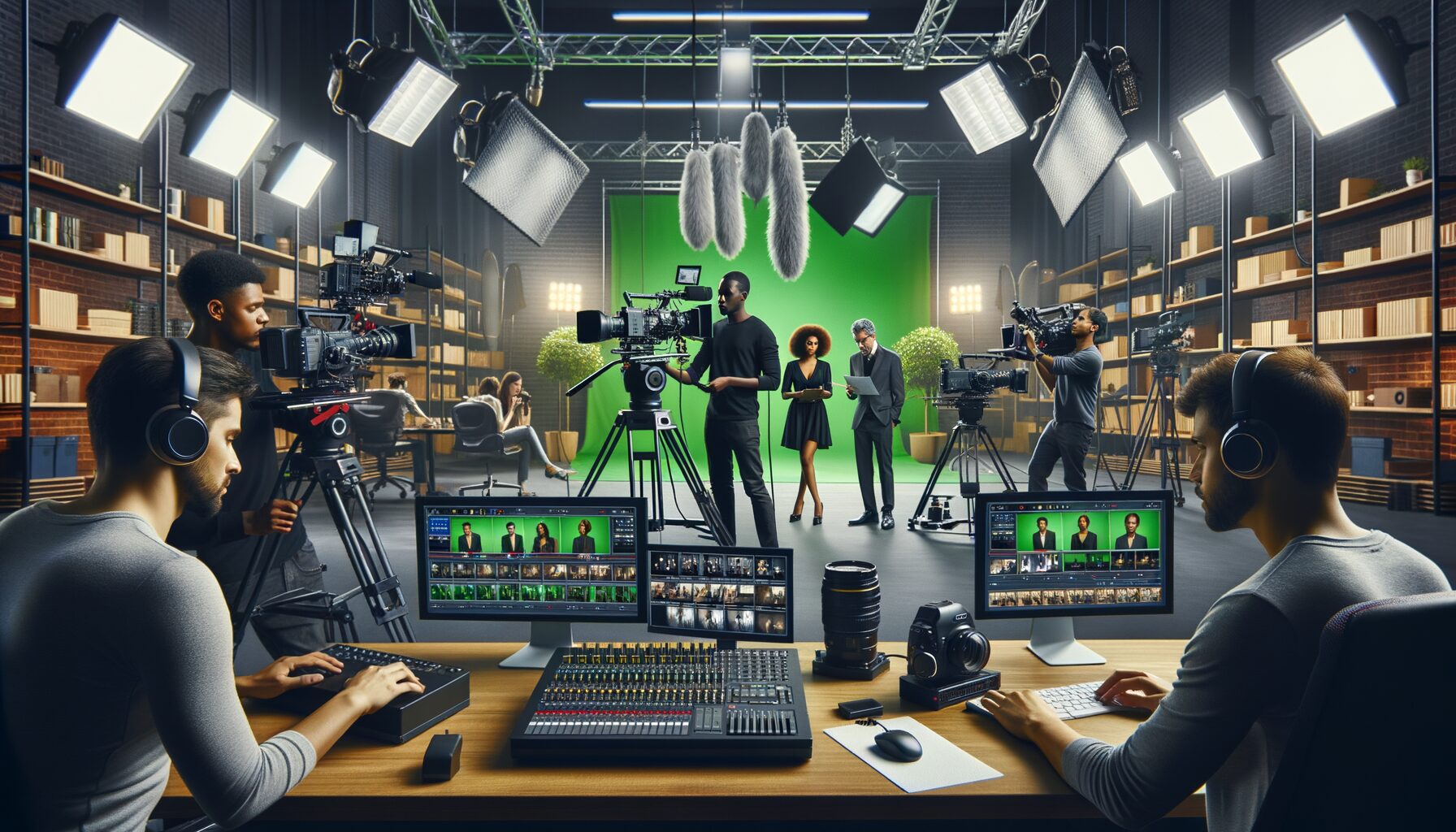
Virtual reality (VR) and augmented reality (AR) are reshaping the landscape of video production in exciting ways. These technologies offer immersive experiences that traditional video cannot match, allowing viewers to engage with content in a more interactive manner. For instance, VR can transport users into entirely different worlds, while AR overlays digital elements onto the real world, enhancing storytelling possibilities.
As these technologies become more mainstream, video producers are exploring innovative ways to incorporate them into their projects. Brands are using AR for interactive advertisements that allow consumers to visualize products in their own environments. Similarly, VR is being utilized in training simulations and educational content, providing users with hands-on experiences that enhance learning. The integration of VR and AR into video production not only elevates the viewer experience but also opens up new avenues for creativity and engagement.
In exploring the current landscape of video production, it’s fascinating to see how advancements in technology are shaping the industry. A related article discusses the impact of artificial intelligence on television, highlighting innovative techniques that are transforming content creation. You can read more about this evolution in the field by visiting this insightful piece, which delves into the integration of AI and its potential to revolutionize how we produce and consume media.
The Role of Video Production in Marketing and Advertising
Video production has become an essential component of modern marketing and advertising strategies. With consumers increasingly turning to video content for information and entertainment, businesses are leveraging this medium to connect with their audiences effectively. From promotional videos to brand storytelling, video allows companies to convey their messages in a compelling way that resonates with viewers.
Moreover, the rise of social media has amplified the importance of video in marketing efforts. Short-form videos are particularly effective on platforms like Instagram and TikTok, where attention spans are limited. Brands are now investing in high-quality video production to create eye-catching ads that capture attention quickly. Additionally, video content tends to perform better in terms of engagement and conversion rates compared to static images or text-based content, making it a valuable tool for driving sales.
The Importance of High-Quality Video Content in the Digital Age
Please visit AITV for the latest news and updates.
In today’s digital landscape, high-quality video content is more important than ever. With an overwhelming amount of content available online, viewers have become discerning consumers who expect professionalism and polish in the videos they watch. Poorly produced videos can reflect negatively on a brand or creator, leading to lost opportunities for engagement or sales.
Investing in high-quality video production not only enhances credibility but also improves viewer retention. Well-crafted videos with clear visuals and sound can keep audiences engaged longer, increasing the likelihood that they will share the content or take action afterward. As competition continues to grow in the digital space, prioritizing quality over quantity is essential for anyone looking to make an impact through video.
The Future of Video Production: Trends and Predictions
Looking ahead, several trends are poised to shape the future of video production. One significant trend is the continued rise of live streaming. As audiences crave real-time interaction with creators and brands, live video offers an authentic way to connect. This format allows for immediate feedback and engagement, making it an attractive option for marketers looking to build community around their products or services.
Another trend is the increasing use of artificial intelligence (AI) in video production processes. AI tools can streamline editing tasks, enhance visual effects, and even assist in scriptwriting. As these technologies evolve, they will likely become integral to video production workflows, allowing creators to focus more on storytelling while automating repetitive tasks.
The Challenges and Opportunities in the Video Production Industry
While the video production industry is thriving, it’s not without its challenges. One major hurdle is keeping up with rapidly changing technology and audience preferences. As new platforms emerge and viewer habits shift, producers must remain agile and adaptable to stay relevant. Additionally, competition is fierce; with so many creators vying for attention online, standing out can be difficult.
However, these challenges also present opportunities for innovation and growth. The demand for diverse content means there’s room for unique voices and perspectives in the industry. Creators who can identify niche markets or develop original concepts have the potential to carve out successful careers in video production. By embracing change and leveraging new technologies, producers can navigate the evolving landscape while continuing to engage audiences effectively.
In conclusion, the world of video production is dynamic and ever-evolving. From technological advancements to shifts in consumer behavior driven by social media, each aspect influences how videos are created and consumed today. As we look toward the future, embracing these changes will be key for anyone involved in this exciting field.
FAQs
What is the current state of video production technology?
The current state of video production technology is highly advanced, with the latest in high-definition cameras, advanced editing software, and virtual reality capabilities.
What are some of the latest trends in video production?
Some of the latest trends in video production include 360-degree video, live streaming, virtual reality experiences, and interactive video content.
How has video production technology evolved in recent years?
Video production technology has evolved significantly in recent years, with the development of smaller, more powerful cameras, advanced editing software, and the integration of virtual reality and augmented reality capabilities.
What are the benefits of the latest video production technology?
The latest video production technology allows for higher quality video content, more immersive experiences for viewers, and greater creative possibilities for filmmakers and content creators.
What can we expect to see in the future of video production technology?
In the future, we can expect to see even more advanced cameras, editing software, and immersive technologies, as well as the continued integration of artificial intelligence and machine learning capabilities in video production.