

AMD has made significant strides in the processor market over the past few years, transforming from a company often overshadowed by Intel into a formidable competitor. With the launch of its Ryzen series, AMD has captured the attention of both gamers and professionals alike. The Ryzen architecture, built on a 7nm process, has allowed AMD to deliver impressive performance while maintaining energy efficiency. This shift has not only improved their standing in the market but has also forced Intel to rethink its strategies.
The success of AMD can be attributed to its commitment to innovation and value. By offering multi-core processors at competitive prices, AMD has appealed to a wide range of consumers, from budget-conscious gamers to high-end workstation users. The introduction of features like simultaneous multithreading (SMT) and advanced cooling solutions has further solidified AMD’s reputation as a brand that prioritizes performance without breaking the bank. As a result, AMD has carved out a niche that challenges Intel’s long-held dominance.
In the ongoing battle of processors, AMD, Intel, and Apple each bring unique strengths to the table, but many tech enthusiasts are starting to wonder if there is an underdog in this competition. While AMD and Intel dominate the traditional PC market, Apple’s M1 and M2 chips have revolutionized the performance and efficiency of their devices, making them formidable contenders. For a deeper dive into the dynamics of these processors and their impact on technology, you can check out this insightful article on AI in television, which discusses the broader implications of advancements in processing power: AI in Television.
Intel: The Established Leader
Intel has long been regarded as the leader in the processor market, with a legacy that spans decades. Known for its reliable performance and robust architecture, Intel processors have been the go-to choice for many consumers and businesses. The company’s Core series, particularly the i5 and i7 models, have set benchmarks for performance in both gaming and productivity tasks. However, recent years have seen Intel facing increasing pressure from competitors like AMD.
Despite its established position, Intel has encountered challenges in keeping pace with technological advancements. The company’s struggles with manufacturing delays and the transition to smaller process nodes have raised concerns among consumers and investors alike. While Intel continues to innovate with its latest Alder Lake architecture, which combines high-performance and efficiency cores, it remains to be seen if these efforts will be enough to fend off AMD’s rising influence.
Apple’s M1 Chip: A Game-Changer?
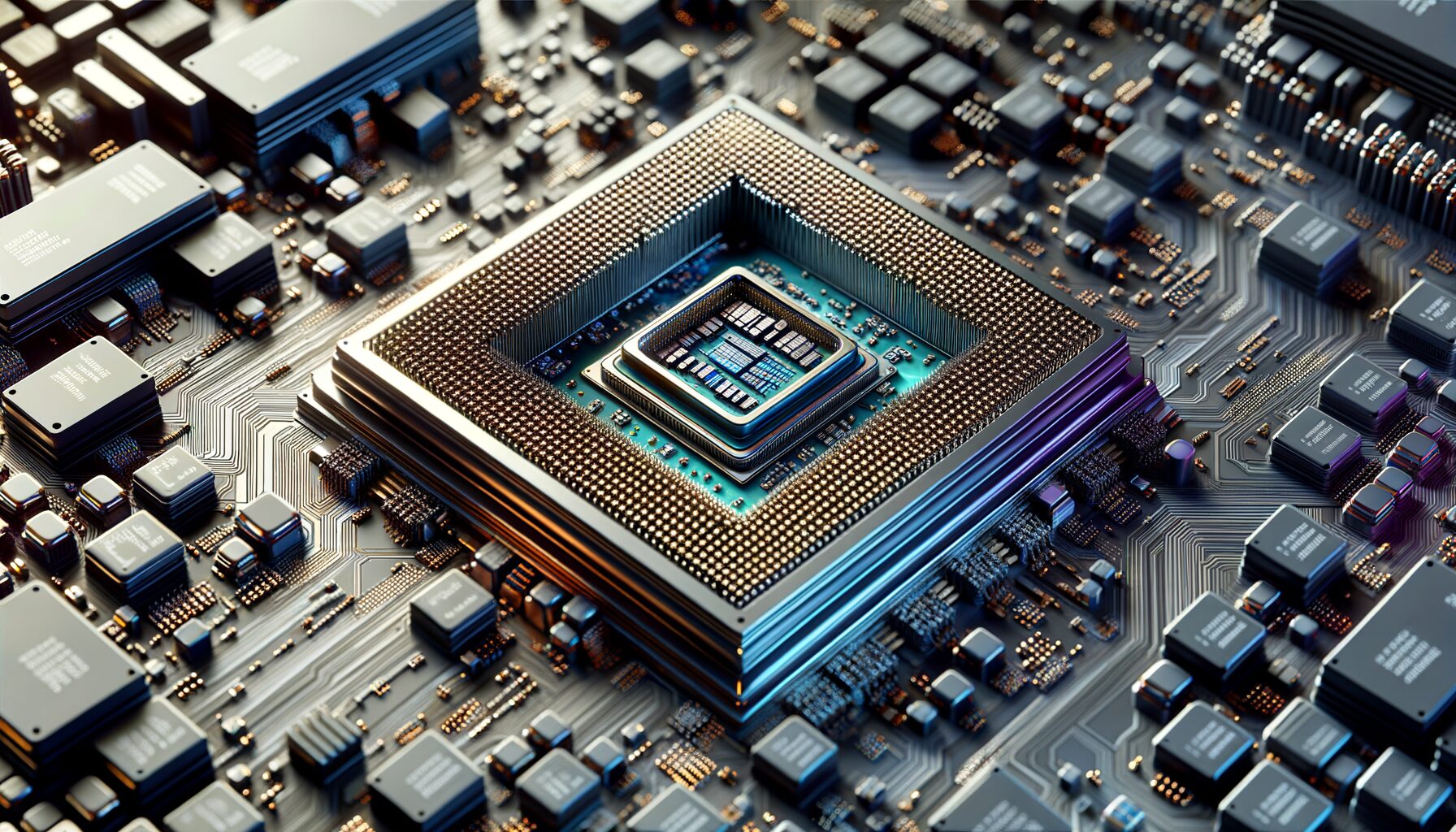
Apple’s M1 chip has undoubtedly shaken up the processor landscape since its introduction. Designed specifically for Mac computers, the M1 represents a significant departure from traditional x86 architecture, opting instead for ARM-based technology. This shift has allowed Apple to optimize performance and power efficiency in ways that were previously unattainable with Intel processors. The M1 chip boasts impressive benchmarks, often outperforming its Intel counterparts in both single-threaded and multi-threaded tasks.
The impact of the M1 chip extends beyond raw performance; it also highlights Apple’s ability to control its hardware and software ecosystem. By designing its own chips, Apple can tailor its products to work seamlessly with macOS, resulting in a user experience that is both smooth and efficient. This strategic move not only enhances performance but also positions Apple as a serious contender in the processor market, challenging both Intel and AMD in new ways.
Performance Comparison: Benchmarks and Real-World Tests
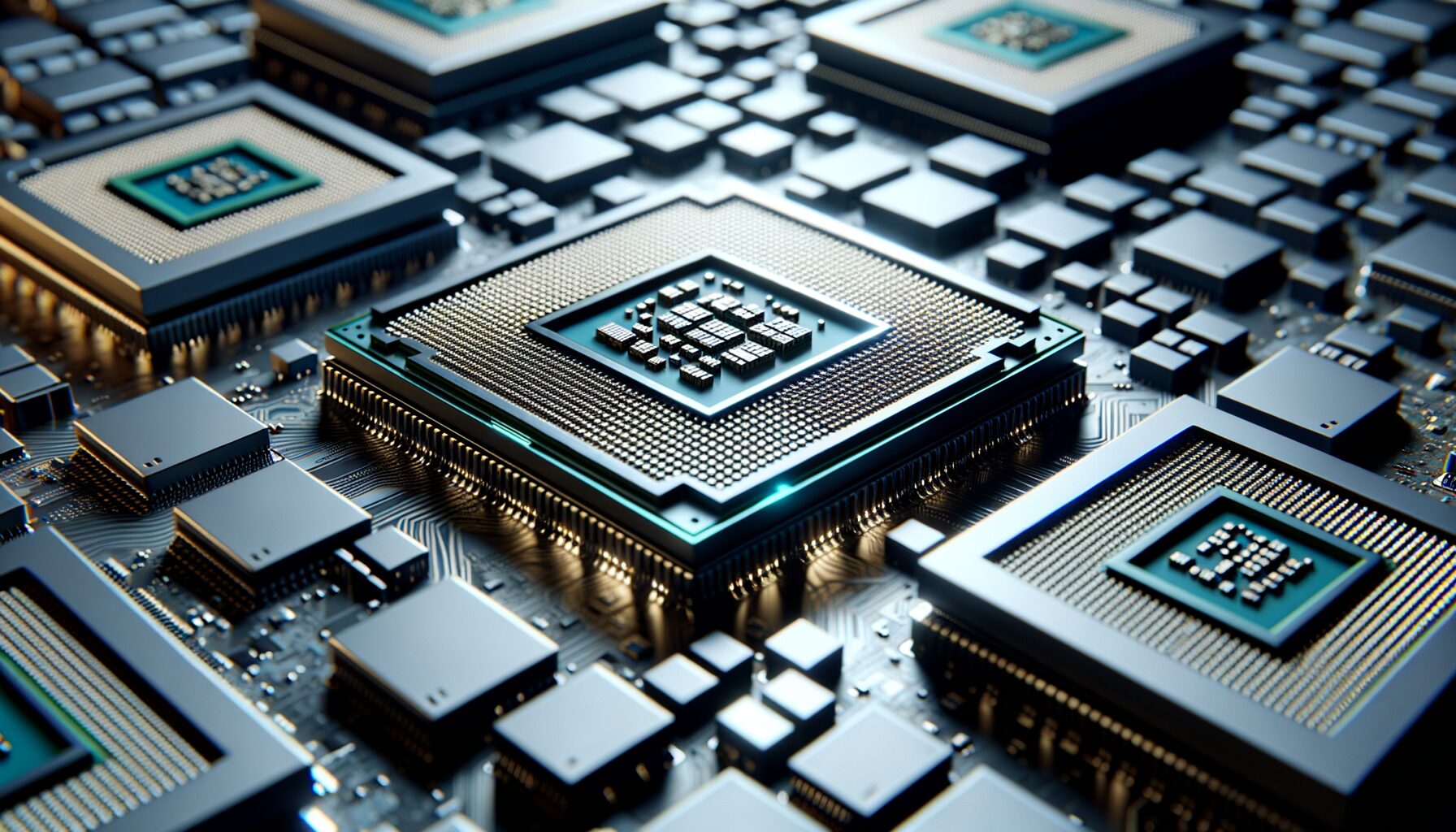
When it comes to performance, benchmarks provide a clear picture of how these processors stack up against one another. In synthetic tests, AMD’s Ryzen series often excels in multi-core performance due to its higher core counts. This makes it an excellent choice for tasks like video editing and 3D rendering, where parallel processing is crucial. On the other hand, Intel’s processors tend to shine in single-threaded applications, making them ideal for gaming scenarios where clock speed is paramount.
Real-world tests further illustrate these differences. For instance, gamers may find that Intel’s Core i9 processors deliver higher frame rates in popular titles, while AMD’s Ryzen 9 chips offer better performance in content creation software. Apple’s M1 chip, meanwhile, has shown remarkable efficiency in both gaming and productivity tasks, often outperforming Intel’s offerings despite having fewer cores. This unique blend of performance and efficiency makes the M1 a compelling option for users who prioritize battery life alongside processing power.
In the ongoing battle between AMD, Intel, and Apple processors, many tech enthusiasts are curious about who the real underdog might be. While AMD has made significant strides in recent years with its Ryzen series, Intel still holds a substantial market share, and Apple’s M1 and M2 chips have redefined performance standards for laptops and desktops. A recent article discusses the evolving landscape of processor technology and highlights how each company is positioning itself in this competitive arena. For a deeper dive into the nuances of this rivalry, you can check out the article on virtual sets at AITV Media.
Price and Value: Which Processor Offers the Best Bang for Your Buck?
Price is always a significant factor when choosing a processor, and this is where AMD has gained considerable traction. Offering competitive pricing across its Ryzen lineup allows consumers to get more cores and threads for their money compared to Intel’s offerings. For budget-conscious gamers or professionals, AMD’s value proposition is hard to ignore. The Ryzen 5 series, for example, provides excellent performance at a fraction of the cost of comparable Intel chips.
Intel’s pricing strategy has traditionally been higher, reflecting its established brand reputation and perceived quality. However, as competition heats up, Intel has begun to adjust its pricing to remain competitive with AMD. While this may benefit consumers in the short term, it raises questions about whether Intel can maintain its premium positioning without sacrificing profit margins. Meanwhile, Apple’s M1 chip offers a unique value proposition by integrating hardware and software optimization that enhances overall performance without a steep price tag.
In the ongoing battle of processors, AMD, Intel, and Apple each bring unique strengths to the table, but many tech enthusiasts are beginning to wonder if there is an underdog in this fierce competition. While AMD and Intel have long dominated the market with their powerful CPUs, Apple’s M1 and M2 chips have disrupted the landscape by offering impressive performance and energy efficiency. For those interested in how these advancements might influence future devices, a recent article discusses the implications of AI in technology, particularly in relation to Apple’s upcoming innovations. You can read more about it in this insightful piece on AI and the iPhone 16.
Future Prospects: What’s Next for AMD, Intel, and Apple?
Please visit AITV for the latest news and updates.
Looking ahead, the future of processors seems promising for all three companies—AMD, Intel, and Apple—each with distinct strategies that could shape their trajectories. AMD is expected to continue pushing boundaries with its Zen architecture, focusing on increasing core counts and improving energy efficiency. The upcoming Ryzen 7000 series promises even more advancements in performance and power management, which could solidify AMD’s position as a leader in high-performance computing.
Intel is also gearing up for significant changes with its upcoming generations of processors. The company is investing heavily in new manufacturing technologies and aims to regain its edge in process technology. With plans to introduce hybrid architectures similar to Apple’s M1 chip, Intel is looking to adapt to changing market demands while maintaining its stronghold in traditional computing environments.
Apple’s future seems equally bright as it continues to refine its M1 architecture and expand into new product categories. The anticipated M2 chip is expected to build on the success of the M1 by offering even greater performance improvements while maintaining energy efficiency. As Apple continues to integrate its hardware and software ecosystems more tightly, it may redefine user expectations for performance across devices.
Overcoming Challenges: Can the Underdog Rise to the Top?
While AMD has made impressive gains in recent years, it still faces challenges that could hinder its ascent to the top of the processor market. One significant hurdle is supply chain constraints that have affected many tech companies globally. As demand for high-performance processors continues to rise, ensuring consistent availability will be crucial for AMD’s growth trajectory.
Additionally, maintaining innovation momentum is essential for AMD to stay competitive against both Intel and Apple. As these companies ramp up their research and development efforts, AMD must continue to deliver cutting-edge technology that meets evolving consumer needs. If it can navigate these challenges effectively, AMD stands a strong chance of solidifying its position as a leading player in the processor market.
The Verdict: Who Reigns Supreme in the Battle of the Processors?
Determining who reigns supreme among AMD, Intel, and Apple ultimately depends on individual needs and preferences. For gamers seeking high frame rates at competitive prices, AMD’s Ryzen series offers excellent value without compromising performance. Conversely, those who prioritize single-threaded performance may still lean towards Intel’s offerings.
Apple’s M1 chip presents an intriguing alternative for users who value efficiency alongside power. Its seamless integration with macOS makes it an attractive option for creative professionals who require reliable performance without sacrificing battery life.
In conclusion, each company brings unique strengths to the table. As technology continues to evolve rapidly, consumers will benefit from increased competition among these giants. Whether you’re an avid gamer or a professional content creator, there’s likely a processor out there that fits your needs perfectly—making this battle one worth watching closely as it unfolds.
FAQs
1. What are the main differences between AMD, Intel, and Apple processors?
AMD, Intel, and Apple processors differ in terms of architecture, performance, power efficiency, and compatibility with different devices and software. Each company has its own approach to designing and manufacturing processors, leading to distinct characteristics and capabilities.
2. How do AMD, Intel, and Apple processors compare in terms of performance?
AMD, Intel, and Apple processors have different performance metrics based on factors such as clock speed, core count, and architecture. Benchmark tests and real-world usage scenarios can provide insights into how each processor performs in various tasks, including gaming, content creation, and everyday computing.
3. What are the advantages and disadvantages of AMD, Intel, and Apple processors?
Each processor brand has its own set of advantages and disadvantages. For example, AMD processors are known for offering competitive performance at a lower price point, while Intel processors are often favored for their strong single-threaded performance. Apple processors, on the other hand, are designed specifically for Apple devices and offer a seamless integration with the company’s software and hardware ecosystem.
4. Is there an underdog among AMD, Intel, and Apple processors?
The concept of an underdog in the AMD vs Intel vs Apple processors debate is subjective and depends on individual preferences, use cases, and budget constraints. Each processor brand has its own loyal fan base and excels in certain areas, making it challenging to declare a clear underdog.
5. How can consumers choose between AMD, Intel, and Apple processors for their computing needs?
Consumers should consider factors such as budget, intended usage, compatibility with existing hardware and software, and long-term support when choosing between AMD, Intel, and Apple processors. Researching benchmark tests, reading reviews, and seeking expert advice can help consumers make an informed decision based on their specific requirements.