

Artificial intelligence (AI) avatars have become a fascinating topic in recent years, capturing the imagination of technologists, artists, and everyday users alike. These digital representations of humans can mimic speech, gestures, and even emotions, making them increasingly lifelike. The rise of AI avatars is not just a technological marvel; it also opens up new avenues for communication, entertainment, and even business. As we delve into the world of AI avatars, we’ll explore their quest for realism, the challenges faced in achieving that realism, and the ethical implications that come with it.
The allure of AI avatars lies in their potential to enhance human interaction. Imagine having a virtual assistant that not only understands your commands but also responds with a facial expression that reflects empathy or enthusiasm. This level of engagement can transform how we interact with technology, making it feel more personal and intuitive. However, the journey toward creating truly realistic AI avatars is fraught with complexities that go beyond mere aesthetics.
In exploring the question of whether AI avatars can be realistic, it’s interesting to consider their potential impact on various sectors, including politics. A related article discusses how AI is being utilized to predict outcomes in presidential elections, showcasing the advancements in AI technology and its ability to simulate human-like interactions. For more insights on this topic, you can read the article here: AI Presidential Election Predictions.
The Quest for Realism in AI Avatars
The pursuit of realism in AI avatars is driven by the desire to create digital beings that can seamlessly integrate into our daily lives. Realism in this context refers to how closely an avatar can mimic human behavior, appearance, and emotional responses. Developers aim to create avatars that not only look like us but also act and react in ways that feel authentic. This quest is not just about visual fidelity; it encompasses voice modulation, body language, and even the subtleties of human interaction.
One of the key aspects of achieving realism is the use of advanced algorithms and machine learning techniques. These technologies allow avatars to learn from vast datasets, enabling them to understand context and respond appropriately. For instance, an AI avatar designed for customer service can analyze previous interactions to improve its responses over time. This adaptability is crucial for creating avatars that feel less like programmed entities and more like genuine companions or assistants.
Challenges in Achieving Realism
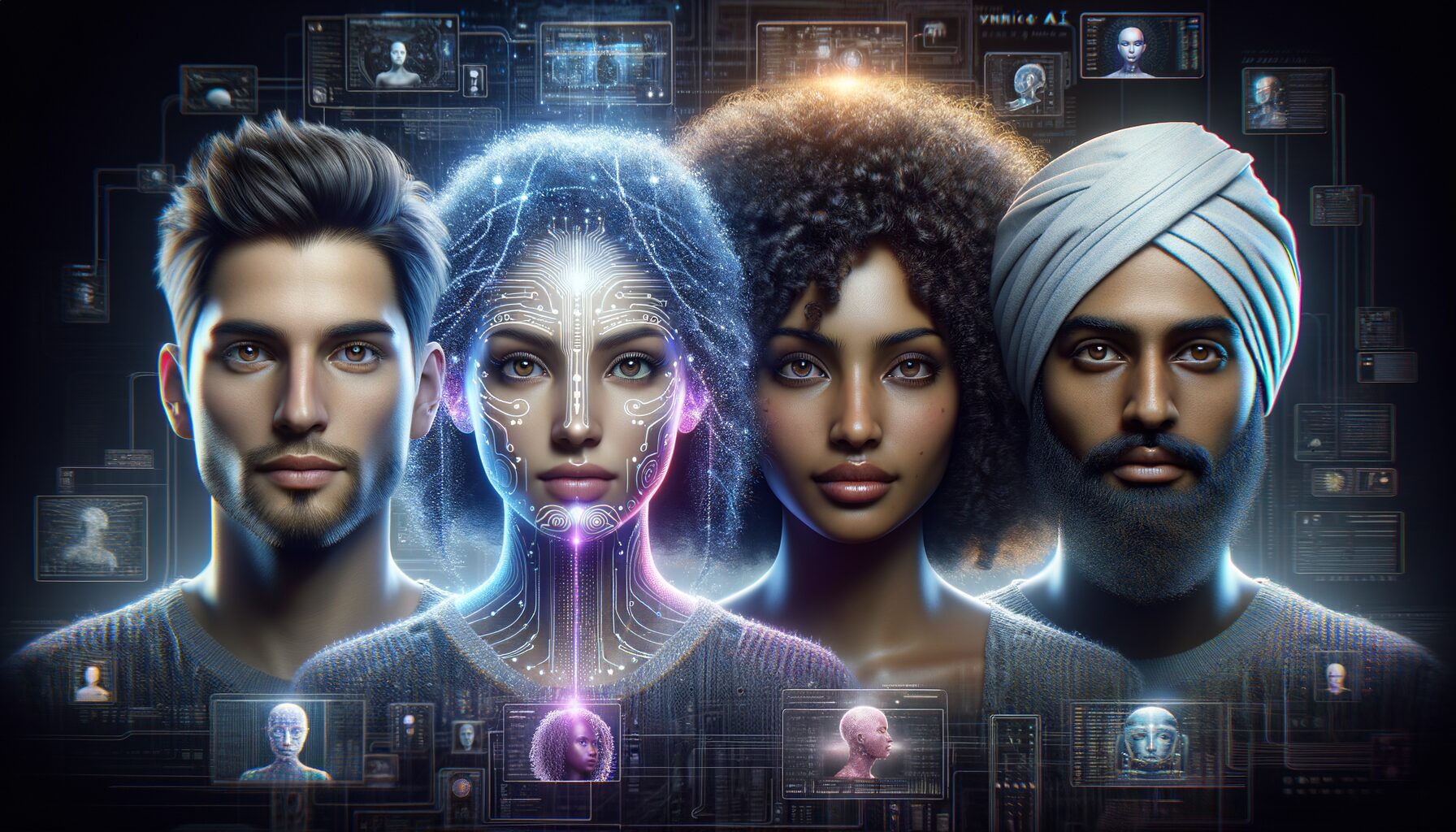
Despite significant advancements, several challenges remain in the quest for realistic AI avatars. One major hurdle is the “uncanny valley” phenomenon, where avatars that are almost lifelike can evoke feelings of discomfort or eeriness in users. This occurs when an avatar’s appearance is close to human but not quite right—think of a character in a video game that looks almost real but has an unsettlingly stiff expression or unnatural movements. Overcoming this barrier requires meticulous attention to detail in both design and animation.
Another challenge lies in the emotional intelligence of AI avatars. While they can be programmed to recognize certain emotions through facial recognition or voice tone analysis, truly understanding human emotions is a different ballgame. Emotions are complex and often context-dependent, making it difficult for AI to respond appropriately in every situation. Developers must find ways to enhance the emotional depth of avatars without crossing ethical boundaries or creating unrealistic expectations.
Advancements in AI Technology
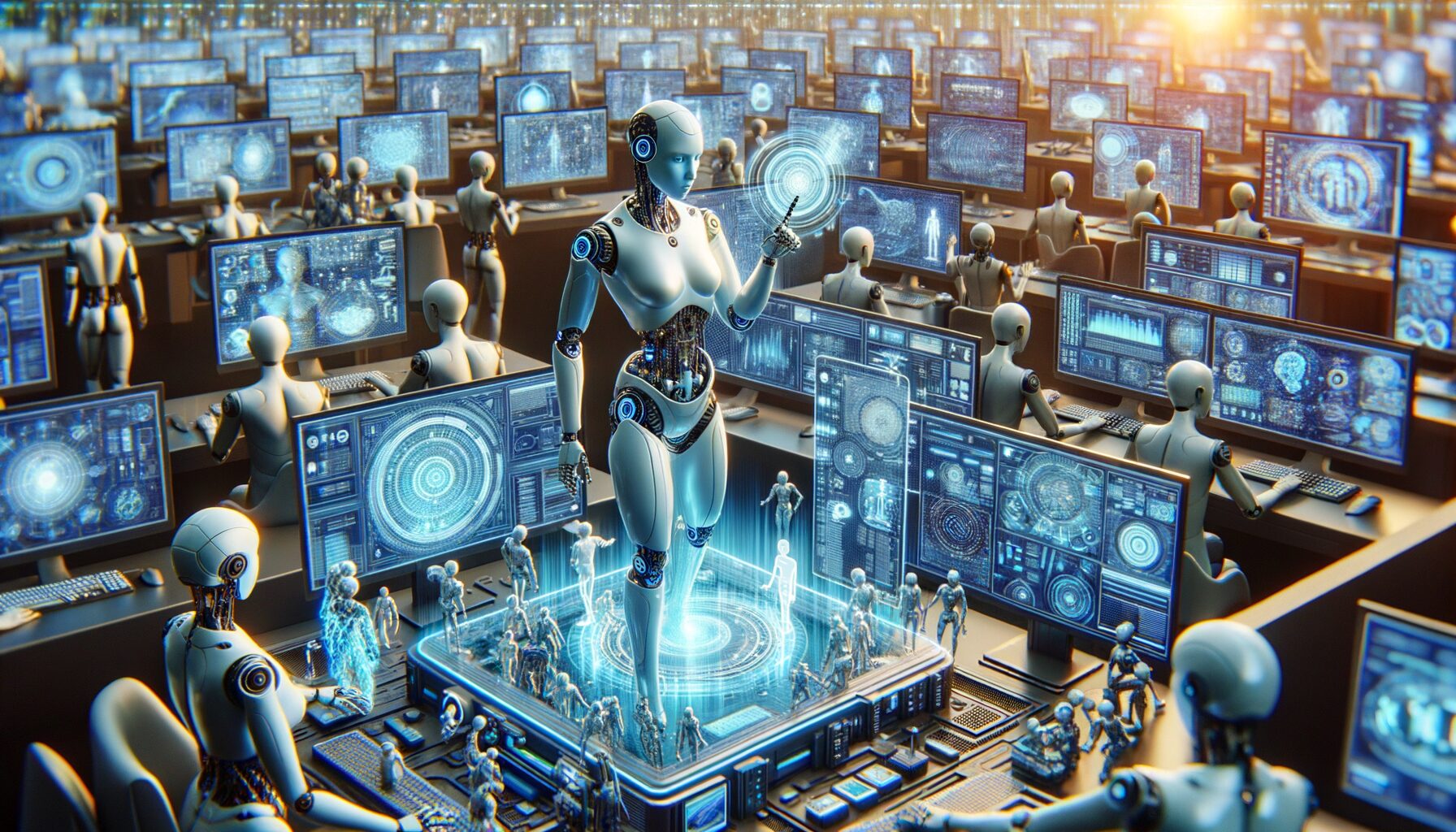
Recent advancements in AI technology have significantly contributed to the development of more realistic avatars. Techniques such as deep learning and neural networks have enabled creators to generate high-quality visuals and lifelike animations. For example, generative adversarial networks (GANs) can produce hyper-realistic images by pitting two neural networks against each other—one generates images while the other evaluates them for authenticity. This process has led to avatars that can exhibit nuanced facial expressions and movements.
Moreover, natural language processing (NLP) has improved dramatically, allowing avatars to engage in more meaningful conversations. With NLP, avatars can understand context, slang, and even humor, making interactions feel more natural. This technology enables them to hold conversations that are not just scripted but can adapt based on user input, further enhancing the realism of these digital beings.
The discussion around the realism of AI avatars has gained traction as technology continues to evolve, prompting many to explore the boundaries of digital representation. A related article that delves into the fascinating interplay between technology and cultural phenomena is available at this link, where you can learn more about the significance of Halloween in shaping our understanding of virtual identities. For further insights, you can read the article here: Halloween.
Ethical Considerations in AI Avatar Realism
As we push the boundaries of realism in AI avatars, ethical considerations come into play. One major concern is the potential for misuse. Realistic avatars could be used to create deepfakes or manipulate information, leading to misinformation or identity theft. The ability to create convincing digital representations raises questions about consent and authenticity—how do we ensure that avatars are used responsibly?
Another ethical issue revolves around emotional manipulation. If an avatar can convincingly simulate empathy or companionship, there’s a risk that users may form attachments or rely on these digital beings for emotional support. This could lead to unhealthy dependencies or blurred lines between virtual and real-life relationships. Developers must tread carefully, ensuring that while avatars are designed to be engaging and relatable, they do not exploit users’ emotions or vulnerabilities.
The discussion around the realism of AI avatars is becoming increasingly relevant as technology advances. A related article explores the intersection of artificial intelligence and investment strategies, shedding light on how AI can influence smart stock choices. This connection highlights the broader implications of AI in various fields, including finance and digital representation. For more insights, you can read the article on smart stock choices.
Applications of Realistic AI Avatars
Please visit AITV for the latest news and updates.
The applications for realistic AI avatars are vast and varied, spanning multiple industries. In customer service, companies are increasingly using AI avatars to provide support and assistance. These avatars can handle inquiries 24/7, offering a level of convenience that traditional customer service methods cannot match. Their ability to engage with customers in a relatable manner can enhance user satisfaction and loyalty.
In education, realistic AI avatars can serve as virtual tutors or teaching assistants. They can provide personalized learning experiences by adapting their teaching styles based on individual student needs. This approach not only makes learning more engaging but also allows for scalable education solutions that can reach students worldwide.
Entertainment is another area where realistic AI avatars shine. From video games to virtual reality experiences, these digital beings can create immersive environments that captivate users. Imagine playing a game where your avatar not only looks like you but also reacts to your emotions and decisions in real-time—this level of interactivity could redefine gaming experiences.
Future of AI Avatars
Looking ahead, the future of AI avatars appears promising yet complex. As technology continues to evolve, we can expect even more lifelike representations that blur the lines between digital and physical realities. Innovations in augmented reality (AR) and virtual reality (VR) will likely play a significant role in this evolution, allowing users to interact with avatars in more immersive ways.
Moreover, as ethical frameworks develop alongside technological advancements, we may see guidelines that govern the use of realistic AI avatars. These frameworks could help mitigate risks associated with misuse while promoting responsible innovation. The challenge will be finding a balance between pushing technological boundaries and ensuring ethical considerations are at the forefront.
The Potential of Realistic AI Avatars
In conclusion, realistic AI avatars hold immense potential across various sectors, from customer service to education and entertainment. While the quest for realism presents challenges—both technical and ethical—the advancements made thus far are encouraging. As we continue to refine these digital beings, it’s essential to remain mindful of their implications on society.
The future may see AI avatars becoming integral parts of our daily lives, enhancing our interactions with technology in ways we’ve only begun to imagine. By addressing the challenges head-on and fostering responsible development practices, we can harness the power of realistic AI avatars while ensuring they serve humanity positively and ethically.
FAQs
What are AI avatars?
AI avatars are computer-generated virtual characters that use artificial intelligence to interact with users in a realistic manner. These avatars can be used in various applications such as customer service, virtual assistants, and entertainment.
How realistic can AI avatars be?
Advancements in AI technology have made it possible for AI avatars to be highly realistic in terms of appearance, voice, and behavior. With the use of natural language processing, facial recognition, and machine learning, AI avatars can mimic human-like interactions and emotions.
What are the limitations of realistic AI avatars?
While AI avatars have become increasingly realistic, there are still limitations in terms of emotional intelligence, nuanced understanding of human behavior, and the ability to handle complex and unpredictable interactions. Additionally, creating truly realistic avatars requires significant computational resources and data.
What are the potential applications of realistic AI avatars?
Realistic AI avatars have the potential to be used in a wide range of applications, including customer service, virtual companionship, education, therapy, and entertainment. They can provide personalized and engaging interactions in various industries.
What are the ethical considerations of using realistic AI avatars?
The use of realistic AI avatars raises ethical considerations related to privacy, consent, and the potential for misuse or manipulation. There are also concerns about the impact of AI avatars on human relationships and the potential for blurring the lines between reality and virtual interactions.