

Artificial Intelligence (AI) has made significant strides in various sectors, and the world of television is no exception. AI TV refers to smart televisions that leverage artificial intelligence to enhance user experience, content delivery, and overall functionality. These TVs can learn from user preferences, recommend shows, and even optimize picture quality based on viewing conditions. As we dive deeper into this topic, it’s essential to understand how AI TV operates and what it means for the future of entertainment.
The integration of AI into television is not just a passing trend; it represents a fundamental shift in how we consume media. With the rise of streaming services and on-demand content, viewers are looking for more personalized experiences. AI TV aims to meet these demands by providing tailored recommendations and smarter interfaces. This article will explore the mechanics behind AI TV, its benefits and drawbacks, privacy concerns, and what the future holds for this innovative technology.
If you’re curious about the practical applications of AI in the realm of video production, you might find the article “Shooting Videos with AI: A New Era in Filmmaking” particularly insightful. This piece delves into how artificial intelligence is transforming the way videos are created, edited, and produced, offering a glimpse into the future of filmmaking. To explore this fascinating topic further, you can read the article here: Shooting Videos with AI: A New Era in Filmmaking.
How AI TV Works
At its core, AI TV utilizes machine learning algorithms to analyze user behavior and preferences. When you watch a show or movie, the TV collects data on your viewing habits—what you watch, when you watch it, and even how long you stay engaged with specific content. This data is then processed to create a profile that helps the TV suggest similar shows or movies you might enjoy. The more you use the TV, the better it becomes at understanding your tastes.
Additionally, AI TV can enhance the viewing experience through features like voice recognition and natural language processing. Instead of navigating through menus with a remote, you can simply speak commands to find content or adjust settings. This hands-free approach not only makes it easier to interact with your TV but also adds a layer of convenience that traditional TVs lack. Some models even come equipped with cameras that can adjust picture settings based on the lighting in your room, ensuring optimal viewing conditions.
Benefits of AI TV
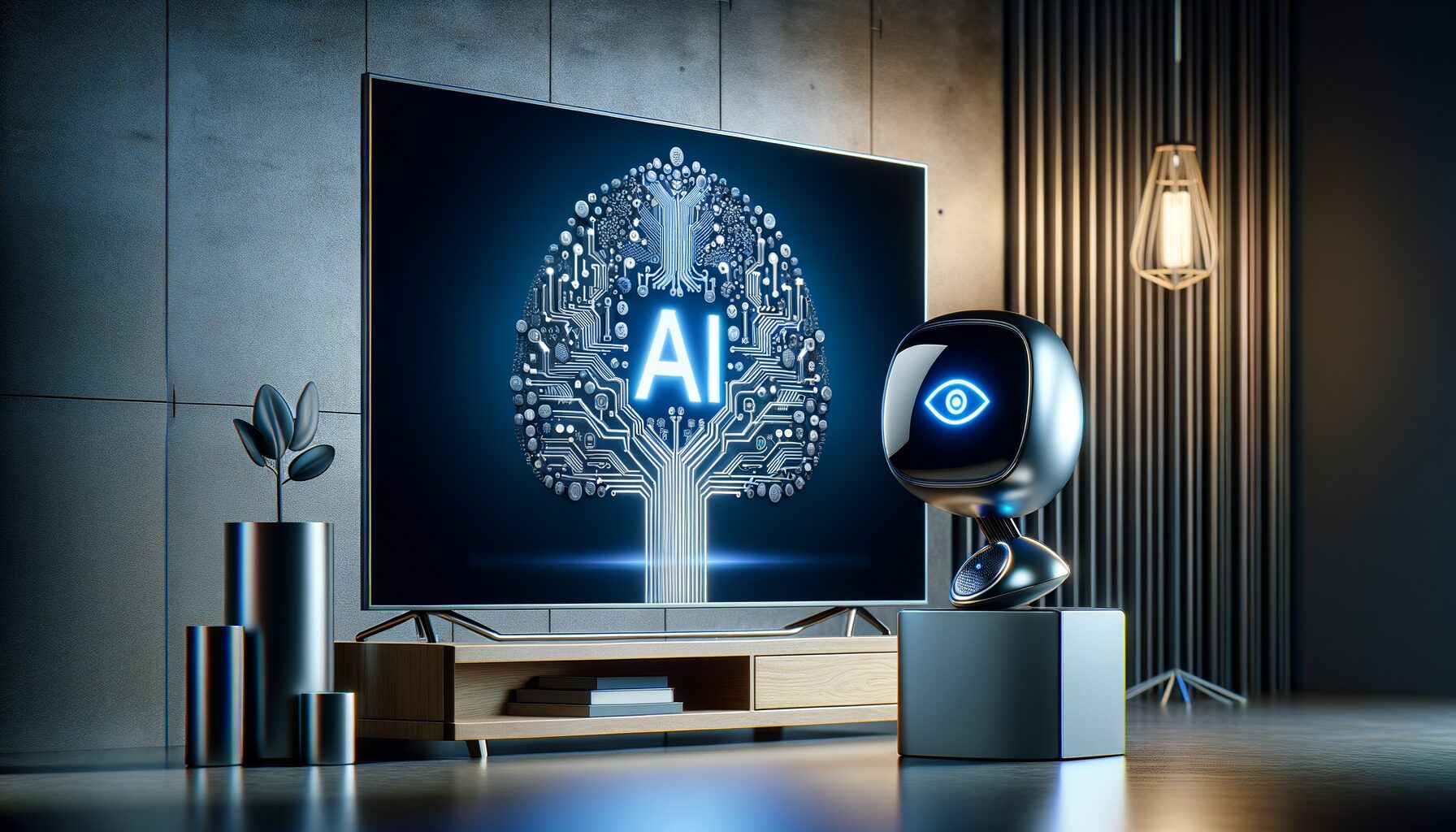
One of the most significant advantages of AI TV is its ability to provide personalized content recommendations. With countless streaming options available, it can be overwhelming to decide what to watch next. AI TV simplifies this process by analyzing your viewing history and suggesting shows or movies that align with your interests. This tailored approach not only saves time but also enhances your overall viewing experience.
Another benefit is the improved user interface that many AI TVs offer. Traditional remotes can be cumbersome, especially when trying to navigate through multiple apps and services. AI TVs often feature intuitive interfaces that allow for seamless transitions between different platforms. Voice commands further streamline this process, making it easier for users of all ages to find their favorite content without frustration.
Moreover, AI TVs can optimize picture and sound quality in real-time. By analyzing the content being displayed and the environment in which it’s viewed, these TVs can adjust settings automatically for the best possible experience. Whether you’re watching a dark thriller or a vibrant nature documentary, AI TVs can enhance the visual and auditory elements to match the content.
Potential Drawbacks of AI TV

Despite their many advantages, AI TVs are not without their drawbacks. One concern is the reliance on internet connectivity. Most AI TVs require a stable internet connection to function optimally, which can be a limitation for those in areas with poor connectivity or for users who prefer offline viewing options. If your internet goes down or is slow, you may find yourself unable to access certain features or content.
Another potential drawback is the complexity of setup and operation. While many users appreciate advanced technology, others may find the initial setup process daunting. Configuring settings, linking accounts, and understanding how to use voice commands can be overwhelming for some individuals, particularly those who are not tech-savvy. This complexity could deter potential buyers who prefer straightforward devices.
Additionally, there’s the issue of software updates and compatibility with various apps and services. As technology evolves rapidly, keeping your AI TV updated is crucial for maintaining functionality and access to new features. However, frequent updates can sometimes lead to bugs or compatibility issues with existing apps, which can be frustrating for users.
In exploring the concept of AI TV, it’s fascinating to consider how artificial intelligence is transforming not just television but also the film industry. For instance, an insightful article discusses the innovative use of AI in filmmaking, showcasing how tools like Stable Diffusion are revolutionizing the creative process. You can read more about this intriguing development in the article on movies made with Stable Diffusion, which highlights the intersection of technology and storytelling. To learn more, check out the article here.
AI TV and Privacy Concerns
As with any technology that collects data, privacy concerns are paramount when it comes to AI TVs. These devices gather extensive information about your viewing habits and preferences, which raises questions about how that data is stored and used. Many users may not be fully aware of the extent of data collection or how it could potentially be shared with third parties.
Manufacturers often include privacy policies outlining data usage; however, these documents can be lengthy and difficult to understand. Users may inadvertently agree to terms that allow their data to be used for targeted advertising or other purposes without fully comprehending the implications. This lack of transparency can lead to distrust among consumers who are increasingly concerned about their online privacy.
To mitigate these concerns, it’s essential for users to familiarize themselves with their device’s privacy settings. Most AI TVs offer options to limit data collection or opt out of certain features. Taking the time to adjust these settings can help users feel more secure while still enjoying the benefits of their smart television.
The Future of AI TV
Please visit AITV for the latest news and updates.
Looking ahead, the future of AI TV appears promising as technology continues to advance. We can expect even more sophisticated algorithms that will enhance personalization capabilities further. Imagine a TV that not only knows your preferences but also anticipates what you might want to watch based on your mood or time of day. This level of personalization could revolutionize how we engage with media.
Moreover, as 5G technology becomes more widespread, AI TVs will likely benefit from faster internet speeds and lower latency. This could lead to improved streaming quality and more interactive features, such as real-time content recommendations based on live events or social media trends. The integration of augmented reality (AR) and virtual reality (VR) could also play a role in shaping the future landscape of entertainment.
Additionally, as consumers become more environmentally conscious, manufacturers may focus on creating energy-efficient AI TVs that reduce power consumption without sacrificing performance. This shift could appeal to eco-minded consumers while also addressing growing concerns about sustainability in technology.
Choosing the Right AI TV for You
When considering an AI TV for your home, there are several factors to keep in mind to ensure you make the right choice. First and foremost, assess your viewing habits and preferences. Do you primarily watch streaming services, or do you enjoy traditional cable? Understanding how you consume content will help you select a model that aligns with your needs.
Next, consider the size and resolution of the TV. Larger screens with higher resolutions like 4K or 8K provide a more immersive experience but may require more space in your living area. Additionally, think about whether you want features like voice control or compatibility with smart home devices. These functionalities can enhance your overall experience but may come at a higher price point.
Lastly, don’t forget to read reviews and compare different models before making a purchase. User feedback can provide valuable insights into performance, ease of use, and any potential issues you might encounter down the line. Taking the time to research will help ensure that you choose an AI TV that meets your expectations and enhances your entertainment experience.
Embracing the Future of Entertainment with AI TV
AI TV represents an exciting evolution in how we consume media, offering personalized experiences that cater to individual preferences while enhancing overall functionality. While there are valid concerns regarding privacy and complexity, the benefits often outweigh these drawbacks for many users. As technology continues to advance, we can expect even more innovative features that will redefine our entertainment landscape.
By understanding how AI TVs work and considering factors like personal preferences and privacy settings, consumers can make informed decisions when choosing their next television. Embracing this technology means stepping into a future where entertainment is not just passive but tailored specifically for you—making every viewing experience uniquely enjoyable.
FAQs
What is AI TV?
AI TV, or artificial intelligence television, refers to televisions that are equipped with artificial intelligence technology. This technology allows the TV to analyze and understand content, make recommendations, and perform other smart functions.
How does AI TV work?
AI TV works by using artificial intelligence algorithms to analyze and understand the content being viewed. This allows the TV to make personalized recommendations, enhance picture and sound quality, and perform other smart functions based on the user’s preferences.
What are the benefits of AI TV?
Some benefits of AI TV include personalized content recommendations, improved picture and sound quality, voice control capabilities, and the ability to integrate with other smart home devices. AI TV can also enhance the overall viewing experience for users.
What are some popular AI TV brands?
Some popular AI TV brands include Samsung, LG, Sony, and Panasonic. These brands offer a range of AI TV models with various features and capabilities to suit different user preferences.
Is AI TV the future of television technology?
AI TV is considered to be the future of television technology, as it offers advanced features and capabilities that enhance the viewing experience for users. With the continued development of artificial intelligence technology, AI TV is expected to become more prevalent in the market.