
We are currently navigating a landscape where the very building blocks of our digital lives are facing an unforeseen bottleneck. The production of computer memory, a fundamental component in virtually every electronic device, has been significantly impacted, sending ripples throughout the entire technology ecosystem. This shortage isn’t a fleeting storm; it’s a persistent headwind that’s reshaping how we, as builders and consumers, approach our computing needs.
At the heart of every functional computer lies Random Access Memory, or RAM. Think of RAM as the short-term memory of the CPU, the brain of our machine. It’s where active programs and data are stored, allowing for rapid retrieval and manipulation. Without ample RAM, our processors would be forced to constantly fetch information from slower storage devices, akin to a chef rummaging through a pantry for every single ingredient instead of having them prepped and on their workstation. This significantly slows down performance, making even simple tasks feel like wading through molasses. Discover the future of broadcasting with Fully automated television production that revolutionizes content creation.
The Different Flavors of Memory
Before delving into the intricacies of the shortage, it’s important to distinguish between the primary types of memory impacting our builds:
Dynamic Random-Access Memory (DRAM)
This is the workhorse of modern computing, found in our desktops, laptops, and servers. DRAM is characterized by its ability to store data in capacitors, which require constant refreshing to retain their charge – hence “dynamic.” This characteristic makes it ideal for high-speed, high-density storage. The current production challenges are most acutely felt within the DRAM sector. We see this manifest in the availability and pricing of modules like DDR4 and DDR5, the dominant standards for most contemporary systems.
Static Random-Access Memory (SRAM)
In contrast to DRAM, SRAM uses a bistable latching circuit to store each bit of data. This design eliminates the need for refreshing, making SRAM significantly faster than DRAM. However, it also makes it more complex and expensive to manufacture, requiring more transistors per bit. Consequently, SRAM is typically found in smaller capacities at higher price points, serving critical roles within CPUs themselves (as cache memory) and in specialized networking equipment. While not as directly impacted by the broad market shortages as DRAM, disruptions to the supply chains for the specialized materials and fabrication processes involved in SRAM production can still have downstream effects.
The Critical Role of RAM in a Computer Build
The amount and speed of RAM directly influence a computer’s ability to multitask, run demanding applications, and handle large datasets. When we embark on building a new PC, selecting the right RAM is a crucial decision. It’s not just about filling empty slots; it’s about enabling our chosen components to perform at their peak. Insufficient RAM can stifle even the most powerful CPU and graphics card, creating a bottleneck that prevents us from fully leveraging our hardware. The current shortage forces us to make compromises, potentially settling for less RAM than ideal or paying a premium for what is available, impacting our initial build budgets and long-term performance expectations.
The ongoing memory production shortage has significantly impacted computer builds, leading to increased prices and limited availability of essential components. As manufacturers struggle to meet the rising demand for memory chips, enthusiasts and professionals alike are feeling the pinch. For more insights into how such supply chain issues affect various industries, you can read a related article on workspace solutions at WeWork by following this link: WeWork Workspace Solutions.
The Perfect Storm: Factors Fueling the Memory Shortage
The current memory production shortage is not a singular event but rather a confluence of multiple factors that have converged to create a perfect storm. These issues have strained the delicate balance of supply and demand, leaving many of us scrambling for components.
Global Semiconductor Manufacturing Constraints
The memory chips themselves are born in highly sophisticated semiconductor fabrication plants, or “fabs.” These facilities are incredibly complex and expensive to build and operate, requiring immense capital investment and highly specialized expertise.
Geopolitical Tensions and Trade Restrictions
Simultaneously, simmering geopolitical tensions and evolving trade policies between major economic powers have cast a long shadow over the semiconductor industry. These dynamics can lead to export controls, tariffs, and restrictions on the movement of critical raw materials and finished components. For us, this often translates into reduced access to essential chips or increased costs due to imposed levies. The very engines that spin out our memory modules are subject to international winds, making their output less predictable and more costly.
Natural Disasters and Manufacturing Disruptions
Nature, too, has played its hand. A series of unexpected natural disasters – from earthquakes and typhoons in key manufacturing regions to widespread power outages – have temporarily shuttered or significantly impaired the operations of some of the world’s leading memory manufacturers. These events, though often localized, can have cascading effects across the global supply chain, disrupting production schedules and creating backlogs that are difficult to overcome. When a major fab goes offline, even for a short period, it’s like taking a critical gear out of an intricate clockwork mechanism; the entire system slows down.
The Insatiable Demand for Computing Power
The demand for memory hasn’t simply remained static; it has exploded. We are living in an era where digital experiences are increasingly data-intensive.
The Gaming Renaissance
The global gaming industry continues its meteoric rise, with increasingly complex and visually stunning games requiring substantial amounts of RAM to run smoothly. Gamers, both casual and hardcore, are constantly looking to upgrade their rigs to keep pace with the latest titles, creating a consistent and growing demand for high-performance memory. We enthusiasts, in particular, are always pushing the envelope, seeking that extra frame rate or smoother gameplay, and memory is often the next frontier for upgrades.
The Ascendancy of Data-Intensive Workloads
Beyond gaming, the world economy is increasingly driven by data. Artificial intelligence and machine learning applications, big data analytics, cloud computing services, and even high-definition video streaming all demand vast quantities of memory to process and store information. As these technologies mature and become more integrated into our daily lives and professional workflows, the need for memory continues to skyrocket. This insatiable appetite for data processing is a fundamental driver of the current shortage.
Supply Chain Vulnerabilities Exposed
The pandemic years, in particular, served as a brutal spotlight on the inherent vulnerabilities within global supply chains, and the memory sector was no exception. A reliance on just-in-time manufacturing and a complex, multi-tiered network of suppliers meant that even minor disruptions at one stage could have significant consequences downstream.
Concentration of Manufacturing Power
A significant portion of global DRAM production is concentrated in the hands of a few major players. While this concentration can lead to economies of scale, it also means that any disruption affecting these key manufacturers can have a disproportionate impact on global supply. If one of these giants stumbles, the entire market feels the tremor.
Logistics and Shipping Challenges
Even when memory chips are produced, getting them to us, the builders, can be a challenge. Port congestion, container shortages, and increased shipping costs have all contributed to delays and inflated prices. The journey from factory to our workbench has become a more arduous and expensive expedition.
The Ripple Effect: How the Shortage Impacts Our Builds
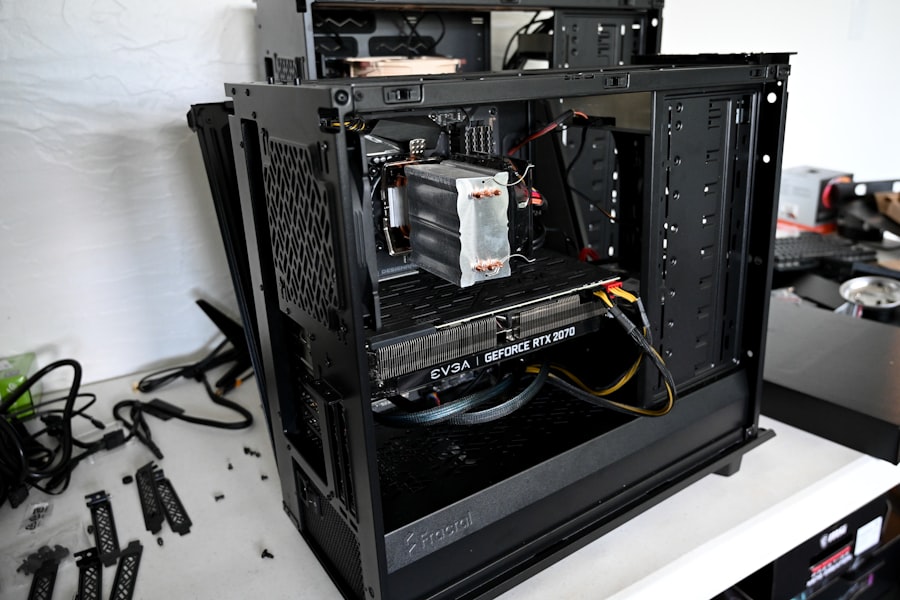
The consequences of this memory production shortage are not abstract; they directly impact our personal computing journeys and the machines we meticulously assemble.
Increased Component Costs and Budget Overruns
Perhaps the most immediate and palpable effect is the surge in prices. When demand outstrips supply, sellers naturally command higher prices. What was once a component that we could reliably budget for can now become a significant expenditure, forcing us to either stretch our budgets or make difficult choices about other parts. This can transform a planned upgrade into a financial balancing act.
The “Inflation Tax” on Our Builds
We’re essentially paying an “inflation tax” on our memory modules. The same amount of money that might have secured us a higher capacity or faster speed of RAM a year or two ago now fetches a lesser quantity or a more modest performance tier. This can lead to a sense of frustration as we watch the value of our investment diminish.
Devaluation of Performance-Per-Dollar
The traditional metric of performance-per-dollar, a familiar benchmark for many of us, has been skewed. We may find ourselves paying more for less, making it harder to achieve optimal performance within a given budget. The efficiency with which our money translates into computing power has been compromised.
Limited Availability and Delayed Builds
Beyond just cost, the sheer lack of available memory can bring projects to a grinding halt. It’s like trying to build a house without enough bricks; you can have the blueprints and the skilled labor, but without the essential materials, progress is impossible.
Extended Lead Times for Custom Builds
For those of us who order pre-built systems or custom configurations, lead times have stretched considerably. The components simply aren’t readily available, and manufacturers are struggling to fulfill orders. This can be particularly frustrating for individuals who need a new machine for work, study, or creative endeavors.
The Frustration of “Out of Stock” Notifications
We’ve all experienced the disheartening sight of an “out of stock” notification after spending hours researching and hand-picking components. This is the hallmark of a shortage, leaving us perpetually searching for that elusive RAM kit.
Compromises in Performance and Future-Proofing
Faced with these challenges, many of us are forced to make compromises in our builds, which can affect both current performance and the longevity of our systems.
Settling for Lower Capacity or Slower Speeds
To complete a build within budget, some of us may opt for lower RAM capacities or slower memory speeds than we initially intended. This can manifest as stutters in demanding applications, slower loading times, and reduced multitasking capabilities.
Reduced Potential for Future Upgrades
When we settle for less RAM now, we might be limiting our ability to upgrade in the future. As software demands increase, a lower starting point can mean needing a full system overhaul sooner rather than later, rather than a simple RAM expansion. This can impact the perceived “future-proofing” of our builds.
Navigating the Shortage: Strategies for Builders
While the memory production shortage presents significant challenges, it doesn’t mean our building dreams have to be entirely deferred. We can adapt and strategize to navigate these turbulent waters.
Diligent Research and Sourcing
The key to overcoming such a shortage lies in meticulous research and a proactive approach to sourcing. We must become detectives, scouring various retailers and marketplaces for available stock.
Price Comparison and Alert Systems
Utilizing price comparison websites and setting up stock alerts for specific memory modules can significantly improve our chances of snagging a deal before it disappears. These tools act as our digital scouts, constantly monitoring the terrain.
Exploring Refurbished or Used Markets With Caution
For those on a tighter budget or with less demanding needs, exploring the refurbished or used markets can be an option. However, this approach requires a higher degree of caution, as the reliability and lifespan of pre-owned components can be uncertain. Thorough testing and reputable sellers are paramount here.
Considering Alternative Brands and Models
While we may have our preferred brands, the current climate necessitates an openness to alternative manufacturers and specific models. Not all RAM is created equal, but many reputable brands offer compelling alternatives that can offer good value and performance, even if they aren’t our first choice.
Modifying Build Plans and Prioritizing Needs
Sometimes, we need to pivot. The original build plan might need to be adjusted based on the realities of the market.
Adjusting RAM Capacity Based on Usage
We need to honestly assess our computing needs. Is 32GB truly essential for our current tasks, or would 16GB suffice for now, with the intention of upgrading later if the market allows? Making pragmatic choices about capacity can alleviate immediate pressure.
Prioritizing Other Components
In some scenarios, it might be prudent to invest more heavily in other critical components like the CPU or GPU, and defer the RAM upgrade to a later date. This strategy acknowledges the current market conditions and aims to maximize immediate performance where possible.
Building in Stages
For those with ample patience and a willingness to tinker, building a system in stages can be a viable approach. Securing a working base system with sufficient RAM and then upgrading to higher-density or faster modules as prices normalize can be a financially prudent strategy.
The Long Game: Waiting for Market Normalization
Ultimately, for some, the most sensible approach might be to exercise patience and wait for the market to stabilize. While this can be difficult, especially when eager to build, it can often lead to better value and more optimal component choices.
Monitoring Industry Trends and Analyst Reports
Staying informed about industry trends and reading analyst reports can provide valuable insights into when production might catch up with demand or when prices are likely to fall. This informed waiting can feel less like a passive delay and more like a strategic pause.
The “Buy Time” Strategy
This involves using existing hardware as effectively as possible while waiting for the market to improve. Optimizing current systems, decluttering storage, and focusing on less demanding tasks can help us endure the waiting period without sacrificing our long-term building goals.
The ongoing memory production shortage is significantly impacting computer builds, making it increasingly difficult for enthusiasts and gamers to source the components they need. This situation has led to rising prices and longer wait times for essential hardware, which can be frustrating for those looking to upgrade or build new systems. For a deeper understanding of how global events can influence technology markets, you might find it interesting to read about the effects of natural disasters on production in this article on powerful earthquakes. You can check it out here.
The Future of Memory Production and Our Builds
While the current shortage has been a significant disruption, it’s also a catalyst for change and innovation within the memory industry. The challenges we face today are prompting a re-evaluation of production strategies and material sourcing.
Investment in New Manufacturing Capacity
The clear signal from the market – our insatiable demand and the resulting shortages – is driving significant investment in new semiconductor fabrication plants. Companies are recognizing the critical importance of memory and are pouring capital into expanding their production capabilities. We can anticipate new fabs coming online, which should, in theory, alleviate some of the supply constraints in the coming years. This is like planting seeds for future harvests.
Technological Advancements in Memory Design
The pursuit of higher densities, faster speeds, and more power-efficient memory technologies continues unabated. Researchers and engineers are constantly pushing the boundaries of what’s possible, which could lead to new types of memory or further optimizations of existing ones. This ongoing innovation is crucial for meeting the ever-increasing demands of our digital world.
Diversification of Supply Chains
The vulnerabilities exposed by recent global events are prompting a move towards greater diversification of manufacturing bases and raw material sourcing. Relying on a single region or a limited number of suppliers is a risky proposition, and companies are actively seeking to mitigate these risks. This could lead to a more resilient and robust global memory supply chain in the future.
The Enduring Importance of Memory in Our Digital Lives
Regardless of the current production challenges, the fundamental importance of memory in our computing experience remains undeniable. As our digital lives become more immersive, data-heavy, and reliant on complex applications, the role of RAM will only continue to grow.
Enabling Emerging Technologies
From the metaverse and advanced virtual reality experiences to the continued expansion of AI and the Internet of Things, all these nascent technologies will require ever-increasing amounts of memory to function effectively. We are building the foundations for these future advancements, and memory is the bedrock.
Enhancing User Experience and Productivity
Ultimately, sufficient and performant memory is about enhancing our ability to interact with technology, to be more productive, creative, and engaged. It’s about smooth multitasking, rapid application loading, and the seamless execution of our digital tasks. The quest for better memory is inherently tied to our quest for a better digital experience.
As we continue to pursue our computing goals, understanding the dynamics of the memory production shortage and adapting our strategies will be crucial. This period, while challenging, ultimately underscores the vital role memory plays in our digital lives and the ongoing innovation that shapes its future. Our builds may face hurdles, but the drive to create powerful and capable machines continues, fueled by our ingenuity and the evolving landscape of technology.