

Imagine every country having its own personal brain – that’s kind of what Nvidia’s CEO Jensen Huang is proposing with “sovereign AI.” He thinks each nation should build its own artificial intelligence infrastructure, basically the tools and tech needed to make AI work.
 Why? Well, Huang sees AI as a superpower, unlocking economic growth and cultural identity.
  By having their own AI smarts, countries wouldn’t rely on others, keeping their data and values safe. Think of it like having your own language instead of just speaking everyone else’s.
 He even says AI isn’t some scary monster movie robot,
  but more like a super-efficient assistant that can learn from your specific needs. So, if you’re a small country, don’t worry, you can still build your own mini-AI brain with local languages and expertise.
  What exactly is Sovereign AI?
The Technical Side of Sovereign AI.
 Sovereign AI emphasizes keeping data within a nation’s borders, trained on local datasets that reflect their specific needs and context.
  This data sovereignty reduces reliance on foreign companies and their potential biases.
 Building AI tools and platforms domestically,
 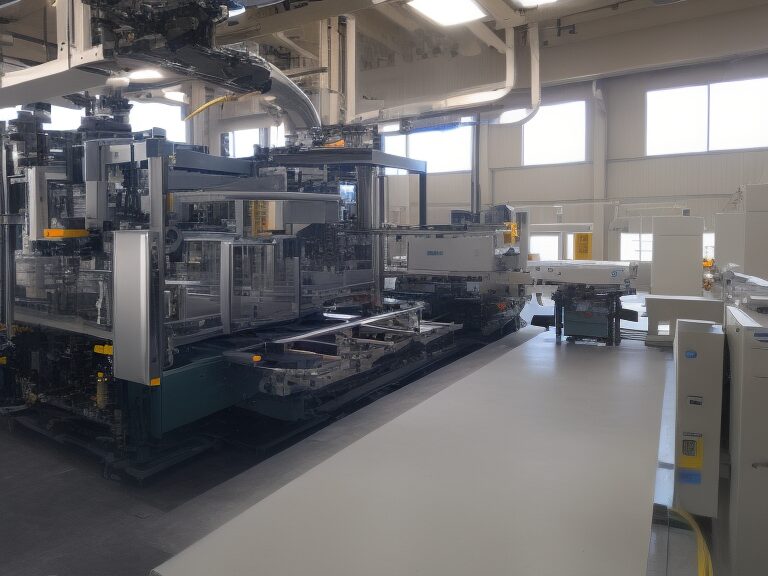 like research labs and specialized hardware, fosters self-sufficiency and independence from external providers.
 Ensuring citizens understand how AI systems work and the data they use, promoting trust and responsible development.
The Political Side of Sovereign AI.

Alignment with National Goals. By shaping AI development to match a nation’s economic, social, and cultural priorities, rather than relying on foreign models that might not fit well.  Reducing dependence on AI superpowers for critical applications like defense or healthcare, mitigating potential influence or control.
  Using ethical and regulatory framework. Setting clear guidelines for AI development and use, considering issues like bias, privacy, and accountability.
Why is it important?

For Economic Competitiveness. Fostering innovation and creating new industries within a country. National Security. Protecting sensitive data and critical infrastructure from foreign control. Keeping a Cultural Identity. Ensuring AI reflects a nation’s unique values and perspectives.
The Future of Sovereign AI.

It’s still early days, but the concept of sovereign AI is gaining traction, with several countries starting to develop their own initiatives.  Whether it becomes the dominant model for AI development remains to be seen, but it’s sure to spark interesting discussions and innovations in the years to come.
 Of course, this idea has sparked some debate. Some folks are worried about isolation and competition, while others wonder if smaller countries can afford it. But hey, it’s a big conversation starter, and Huang is definitely pushing the world to think differently about AI.
 So, what do you think? Should every country have its own AI brain, or is it better to share and collaborate?
Read More AI News at AITV.Media.