
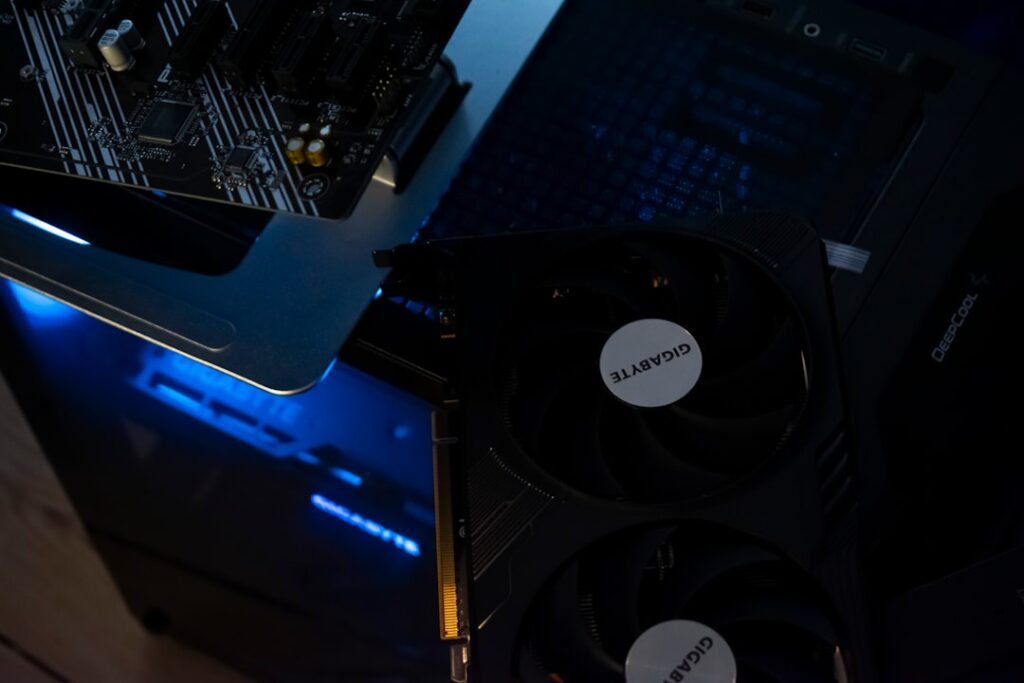
The global economy, much like a meticulously crafted domino run, experiences cascading effects from disruptions in even seemingly isolated sectors. Currently, we are witnessing such an intricate chain reaction unfurl with the burgeoning demand for and subsequent shortage of NVIDIA Graphics Processing Units (GPUs) directly impacting the television production industry. This is not merely a matter of delayed releases; it represents a fundamental shift in how we approach a highly technical and demanding creative field. As we delve into this phenomenon, we encourage you, the reader, to consider the interconnectedness of modern manufacturing and the unforeseen ripples that can emanate from a single point of failure within complex supply chains.
NVIDIA, a name synonymous with cutting-edge graphical performance, has cemented its position as the preeminent supplier of high-end GPUs. Their architecture, particularly the Ampere and Lovelace generations, offers unparalleled processing power crucial for a multitude of computationally intensive tasks. This dominance, while a testament to their engineering prowess, has inadvertently created a single point of failure in various industries. We find ourselves in a peculiar situation where the very innovation driving progress is simultaneously hindering it due to an inability to meet demand. It’s akin to having a super-engine designed for peak performance, but only a limited supply of the rare fuel it requires. Discover the future of broadcasting with Fully automated television production that revolutionizes content creation.
The Rise of GPU-Accelerated Workflows
For years, traditional CPU-based rendering and processing dominated the television production landscape. However, the sheer complexity of modern visual effects (VFX), 3D animation, and real-time compositing has pushed the boundaries of CPU capabilities. GPUs, with their highly parallel processing architecture, emerged as a paradigm shift.
Rendering Farms Under Siege
Large-scale rendering farms, the industrial workhorses of TV production, are critically dependent on a steady supply of high-performance GPUs. These farms, often distributed globally, chew through vast amounts of data to bring digital worlds to life. Without sufficient GPUs, these rendering pipelines slow to a crawl, creating significant backlogs.
The AI Imperative in Post-Production
Artificial intelligence (AI) is increasingly integrated into post-production workflows, from upscaling low-resolution footage to de-noising and even automated color grading. These AI models are heavily reliant on GPU acceleration for training and inference, adding another layer of demand to an already strained supply.
The ongoing GPU memory shortages, particularly affecting NVidia graphics cards, have had a significant impact on various industries, including television production. As studios increasingly rely on advanced graphics for high-quality visual effects and real-time rendering, the scarcity of these critical components has led to delays and increased costs in production schedules. For more insights into how technology influences modern media, you can read a related article at this link.
The Ripple Effect: From Silicon to Screen
The immediate impact of GPU shortages on television production is readily apparent. However, the ramifications extend far beyond delayed schedules and increased budgets, touching upon the very fabric of how creative content is conceived and executed. We are witnessing a tightening of the belt, where artistic ambition must now confront the cold, hard realities of hardware scarcity.
Delayed Production Timelines
Perhaps the most visible consequence is the significant delays in production timelines. Shows that rely heavily on visual effects, such as genre series or elaborate dramas, find their post-production phases stretching indefinitely. This is not merely an inconvenience; it can lead to missed release windows, negatively impacting viewership and revenue. Imagine a carefully planned broadcast schedule, akin to a meticulously choreographed ballet, suddenly thrown into disarray because a crucial dancer is missing.
Escalating Production Costs
The limited supply inevitably drives up prices. Studios are forced to pay a premium for available GPUs, or resort to less efficient, older hardware, which translates to longer rendering times and thus higher labor costs. This financial burden trickles down, forcing production houses to re-evaluate their budgets and sometimes compromise on creative ambitions.
Impact on Freelancers and Smaller Studios
Larger studios with established relationships with hardware suppliers may weather the storm slightly better. However, independent filmmakers and smaller animation studios often struggle to compete for the limited stock. This exacerbates existing inequalities in the industry, potentially stifling emerging talent and diverse storytelling.
The Technological Choke Point: Beyond Gaming
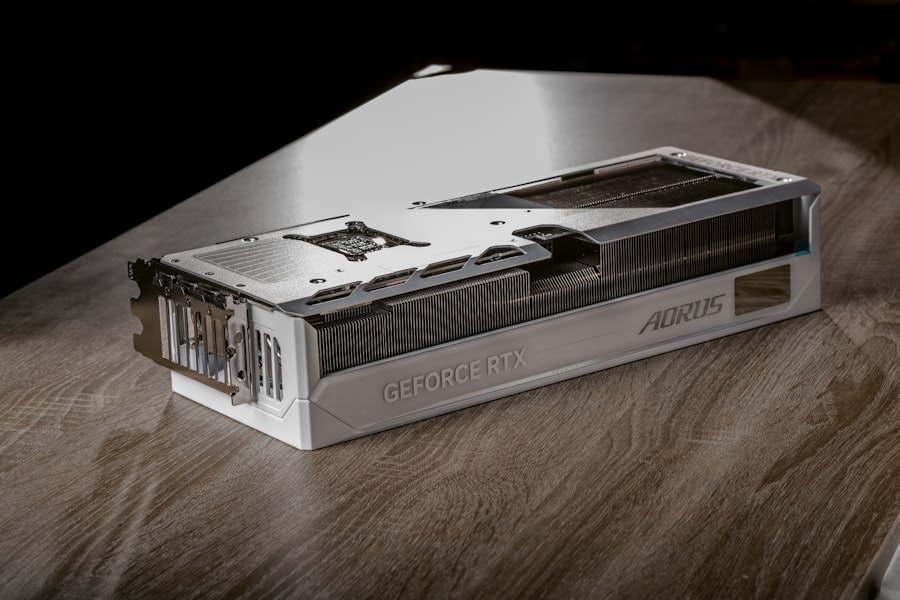
While the gaming industry is often the loudest voice regarding GPU shortages, it’s crucial to understand that television production’s reliance is equally, if not more, critical. Our creative economy, a vibrant ecosystem of storytelling and visual artistry, finds itself inextricably linked to the availability of these specialized processors.
The Unique Demands of VFX
Visual effects in television demand not only raw processing power but also specific features and large memory capacities that consumer-grade GPUs often lack. Professional-grade GPUs, designed for workstation environments, are engineered for stability, precision, and endurance, making their scarcity even more profoundly felt.
Real-Time Rendering for Virtual Production
The rise of virtual production, utilizing LED volumes and real-time game engines, has revolutionized how certain scenes are shot. This innovative approach relies heavily on powerful GPUs to render virtual environments in real-time, allowing actors to interact with digital sets as if they were physically present. Without the necessary GPU horsepower, this transformative technology is curtailed.
Adapting to Scarcity: Creative Solutions and Industry Shifts
Faced with this pervasive shortage, the television production industry is not passively accepting its fate. Instead, we observe a fascinating blend of adaptation, innovation, and a re-evaluation of established practices. This period of constraint, while challenging, may ultimately foster new efficiencies and creative problem-solving.
The Embrace of Cloud-Based Rendering
One significant shift is the increased adoption of cloud-based rendering services. By leveraging large, distributed computing networks, studios can temporarily circumvent the need for in-house GPU farms. This offers flexibility and scalability, but comes with its own set of considerations regarding data security and ongoing subscription costs. It’s like borrowing a powerful tool when your own is unavailable, a practical solution but with a rental fee.
Optimization of Existing Workflows
There’s a renewed focus on optimizing existing workflows. This involves refining rendering algorithms, streamlining asset creation, and exploring more efficient compression techniques to reduce the computational burden on available hardware. Every frame, every pixel, is now subject to greater scrutiny in terms of its computational cost.
Resurrecting Older Hardware
In some instances, studios are extending the lifespans of older GPUs, optimizing them for tasks that don’t demand the absolute latest architecture. While this can provide a temporary reprieve, it often comes at the cost of slower processing and potentially reduced fidelity, a compromise rather than a solution.
The ongoing Nvidia GPU memory shortages have significantly impacted various industries, including television production, where high-quality graphics and rendering are essential. As studios strive to create visually stunning content, the limited availability of powerful GPUs has led to delays and increased costs in production timelines. For a deeper understanding of how artificial intelligence is reshaping the landscape of media and technology, you can explore this insightful article on the elements of AI. The challenges posed by the GPU shortage highlight the need for innovative solutions in the ever-evolving world of television production. To learn more about these developments, visit this article.
The Long Road Ahead: Forecasts and Future Strategies
Looking forward, the GPU shortage is not a problem with a quick fix. It’s a complex interplay of manufacturing capacity, geopolitical factors, and ever-increasing demand across diverse industries. We must acknowledge that this is a marathon, not a sprint, and sustainable solutions will require foresight and collaboration.
Expanding Manufacturing Capacity
The most fundamental solution lies in expanding semiconductor manufacturing capacity, particularly for advanced process nodes. This is an undertaking that requires billions of dollars and years to achieve. Governments and private entities are investing heavily, but the fruits of these investments will take time to ripen.
Diversification of Supply Chains
Companies are actively seeking to diversify their supply chains, reducing their reliance on a single vendor or region. This involves exploring alternative GPU manufacturers and investing in research and development for proprietary hardware solutions. The aim is to build a more resilient ecosystem, less susceptible to isolated shocks.
The Role of Software Innovation
Software innovation will continue to play a crucial role. Developers are constantly striving to create more efficient rendering engines and algorithms that can extract maximum performance from existing hardware. This software-driven optimization acts as a powerful lever, helping to bridge the gap between demand and supply.
A Call for Industry Collaboration
Ultimately, addressing this widespread challenge requires sustained collaboration across the industry. From chip manufacturers and hardware vendors to software developers and television production studios, open communication and shared strategic planning are essential. Only by working together, like a well-coordinated orchestra, can we navigate this complex landscape and ensure the future of compelling visual storytelling. The silicon curtain, currently descended, can only be lifted through a concerted, collective effort.