Beyond the Prompt: The Rise of “Operational AI” and the Death of the 10-Second Clip
By AITV EditorialApril 22, 2026
For the last two years, the conversation around AI in media has been dominated by “the shiny object”—generative video. We gasped at the first 5-second Sora clips, then the 10-second ones. But as we move deeper into 2026, the industry is undergoing a quiet, massive shift.
We are moving away from Generative AI (making things from scratch) and toward Operational AI (managing the chaos of modern production). Here’s what is currently defining the “Bleeding Edge” of television and media tech this month.
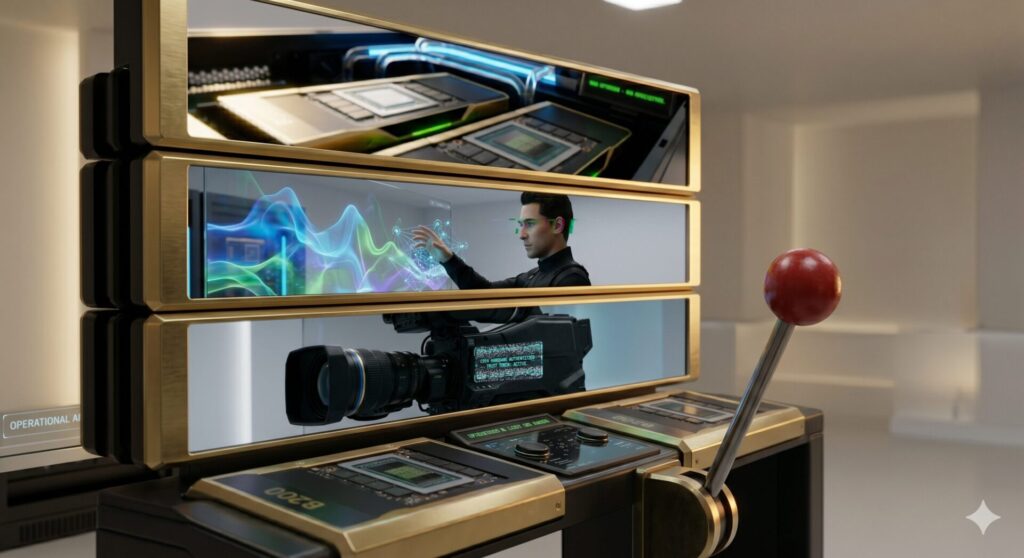
1. The End of “Slot Machine” Generation
The era of “typing a prompt and hoping for the best” is officially over. New platforms like Higgsfield Cinema Studio and Sora 2 (Pro) have introduced granular control that professional directors actually care about:
Character Consistency: Using “Identity Anchors,” creators can now maintain the exact facial structure and clothing of a character across 25-second sequences.
Physics-Aware Engines: The newest models (Veo 3.1) finally understand cause-and-effect. If an AI-generated actor drops a glass, it doesn’t just disappear into a blur—it shatters according to realistic fluid and fragment dynamics.
2. The “Metadata Mess” is Finally Being Cleaned
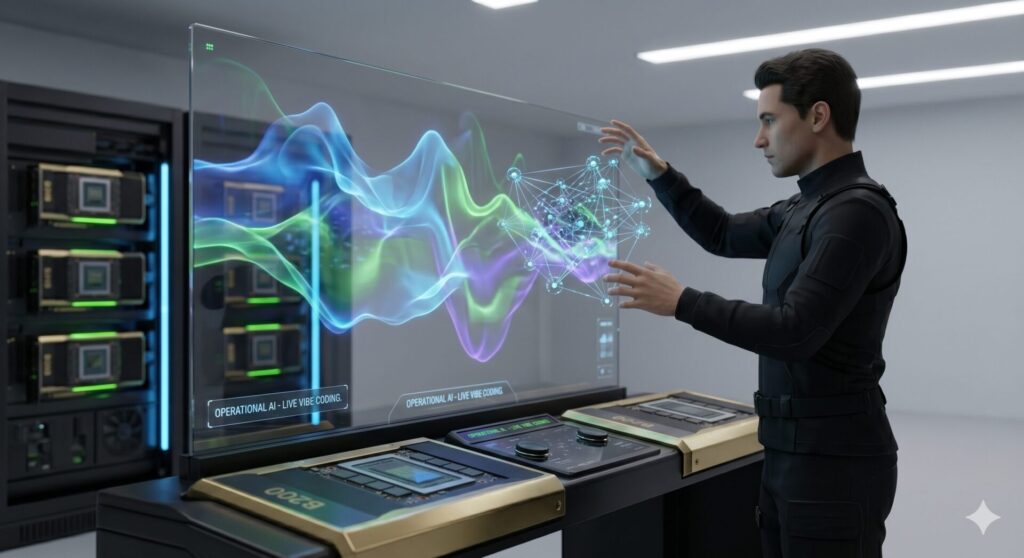
According to recent industry analysis, the most significant breakthrough of 2026 isn’t a new visual filter; it’s Automated Workflow Micro-decisions. * AI Stage Managers: Modern newsrooms are deploying “Operational AI” that handles the unsexy work: real-time audio cleanup, instant metadata tagging for archives, and synchronizing multi-camera feeds without human intervention.
Vibe Coding: Producers are now “vibe coding” their broadcast layouts—telling an AI agent to “reformat this entire 16:9 live interview into a vertical TikTok-style micro-drama with captions and highlights,” and seeing it happen in under 30 seconds.
3. Hardware: The Memory Bottleneck
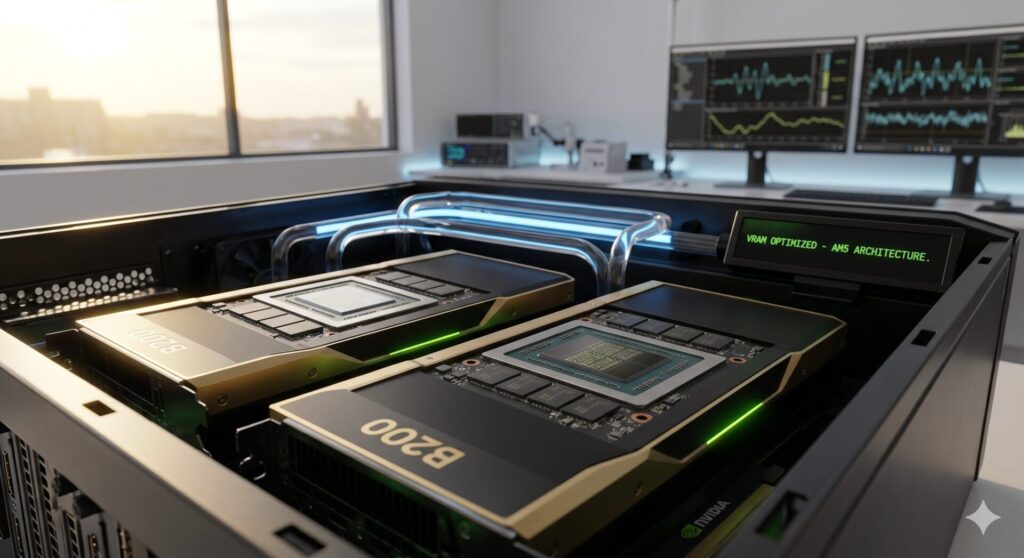
You can’t run a 2026-grade neural engine on yesterday’s hardware. The editorial team has been tracking the NVidia GPU Memory Shortages closely.
“The production of high-end TV isn’t limited by imagination anymore; it’s limited by VRAM.” To combat this, we’re seeing a surge in Dual GPU optimization strategies where one card handles the real-time “inference” (the AI’s thinking) while the second card manages the “render” (the actual pixels). If you’re building a workstation this quarter, the shift from AM4 to AM5 architecture is no longer optional—it’s the baseline for AI throughput.
4. The Counter-Trend: Digital Provenance
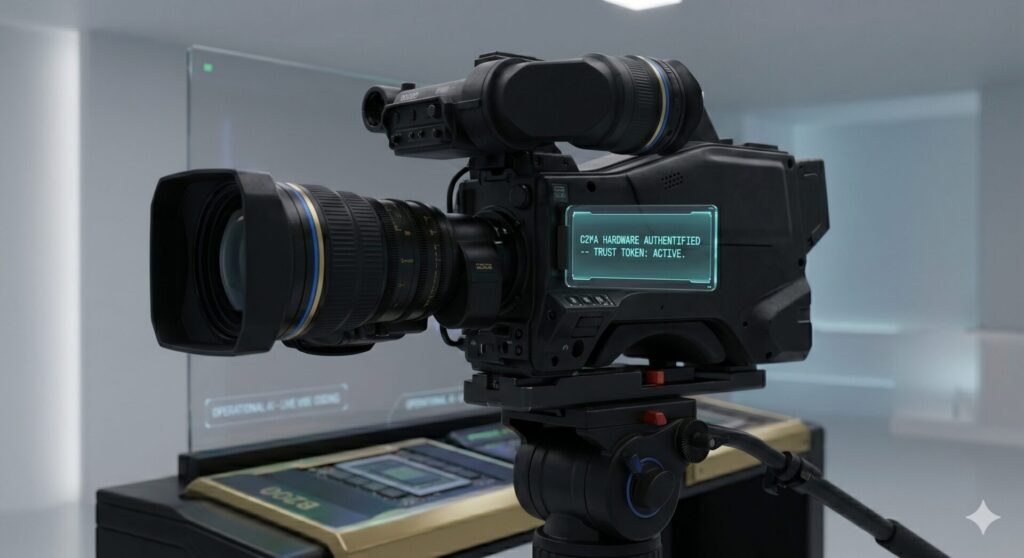
As “AI slop” and deepfakes flood the open web, Digital Provenance has become the most valuable tech feature of the year. Tools that utilize the C2PA standard (tagging content with a permanent, unhackable history of its origin) are now integrated directly into professional cameras and AI suites.
The New Rule: In 2026, if you can’t prove a human was in the loop, the audience doesn’t trust the “vibe.”
The Bottom Line
The “Trend” for April 2026 is Utility. We are stopped asking “What can AI make?” and started asking “How can AI help me ship faster?” The winners of this era aren’t the ones with the best prompts—they’re the ones with the best workflows.
Stay Tuned:Next week, we go hands-on with the new Sora 2 Disney Character integration. Is licensed AI the future of fan-fiction, or a legal minefield?
What part of this 2026 landscape would you like to dive deeper into—the hardware specs or the new generation of AI “Stage Managers”?