
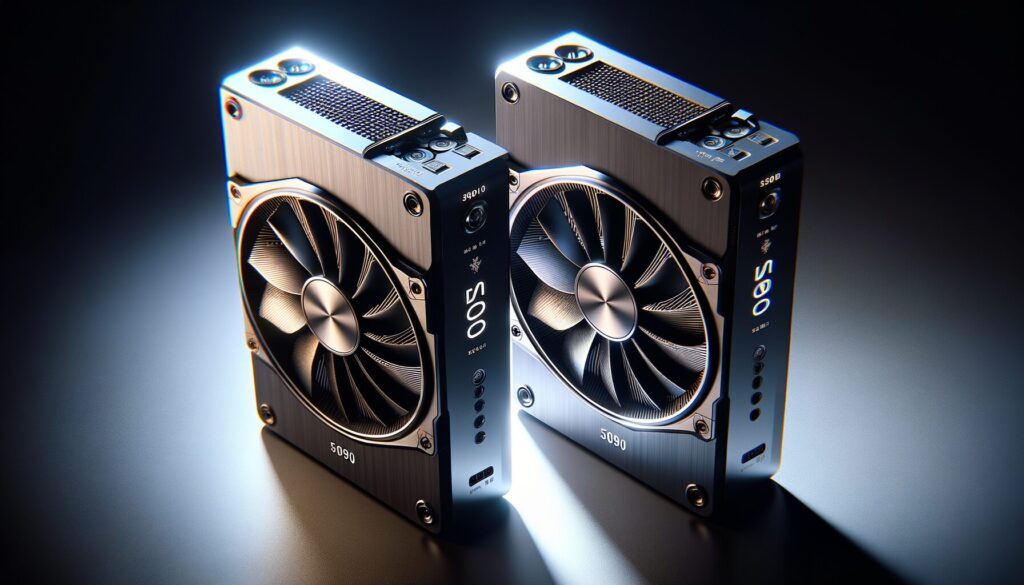
The Dual 5090 is a powerful piece of hardware designed for high-performance computing tasks. At its core, the architecture of the Dual 5090 is built around a dual-processor setup, which allows for enhanced multitasking and processing capabilities. This means that it can handle multiple applications simultaneously without significant slowdowns, making it ideal for tasks like video editing, 3D rendering, and complex simulations. The architecture is designed to maximize efficiency, with each processor working in tandem to share the workload effectively.
In addition to its dual-processor design, the Dual 5090 features advanced memory support and high-speed interconnects. This allows for rapid data transfer between the processors and memory, which is crucial for maintaining performance during intensive tasks. The architecture also supports a variety of memory configurations, enabling users to tailor their setup based on specific needs. Overall, understanding the Dual 5090’s architecture is essential for anyone looking to leverage its full potential in demanding applications.
If you’re considering integrating Dual 5090 graphics cards into your system, you might be wondering about the compatibility with your motherboard. It’s essential to ensure that your motherboard has the necessary PCIe slots and supports the power requirements for such high-performance GPUs. For more insights on hardware compatibility and performance optimization, you can check out this related article on movie background scenes and AI, which discusses various technological advancements: here.
Selecting the Right Motherboard for Dual 5090’s
Choosing the right motherboard for your Dual 5090 is a critical step in building a robust system. Not all motherboards are created equal, and compatibility is key. When selecting a motherboard, you should look for one that specifically supports dual-processor configurations. This often means checking for socket compatibility, as different processors require different socket types. Additionally, ensure that the motherboard has enough PCIe slots and RAM slots to accommodate your needs.
Another important factor to consider is the chipset of the motherboard. A good chipset can enhance communication between the processors and other components, leading to better overall performance. Look for motherboards that offer features like multiple M.2 slots for SSDs, robust power delivery systems, and good thermal management solutions. These features can significantly impact your system’s performance and longevity, making it worthwhile to invest time in selecting the right motherboard.
Ensuring Compatibility with Dual 5090’s and Motherboard
Once you’ve selected a motherboard, ensuring compatibility with the Dual 5090 is crucial. Start by checking the manufacturer’s specifications for both the motherboard and the Dual 5090. This includes verifying that the motherboard supports the specific model of the Dual 5090 you have. Pay attention to details like supported RAM types and speeds, as mismatches can lead to performance issues or even system instability.
It’s also wise to consider firmware updates. Sometimes, motherboards may require a BIOS update to fully support newer processors or configurations. Before assembling your system, check if there are any available updates from the motherboard manufacturer. This can save you from potential headaches down the line and ensure that your system runs smoothly from the get-go.
Maximizing Performance with Dual 5090’s and Motherboard
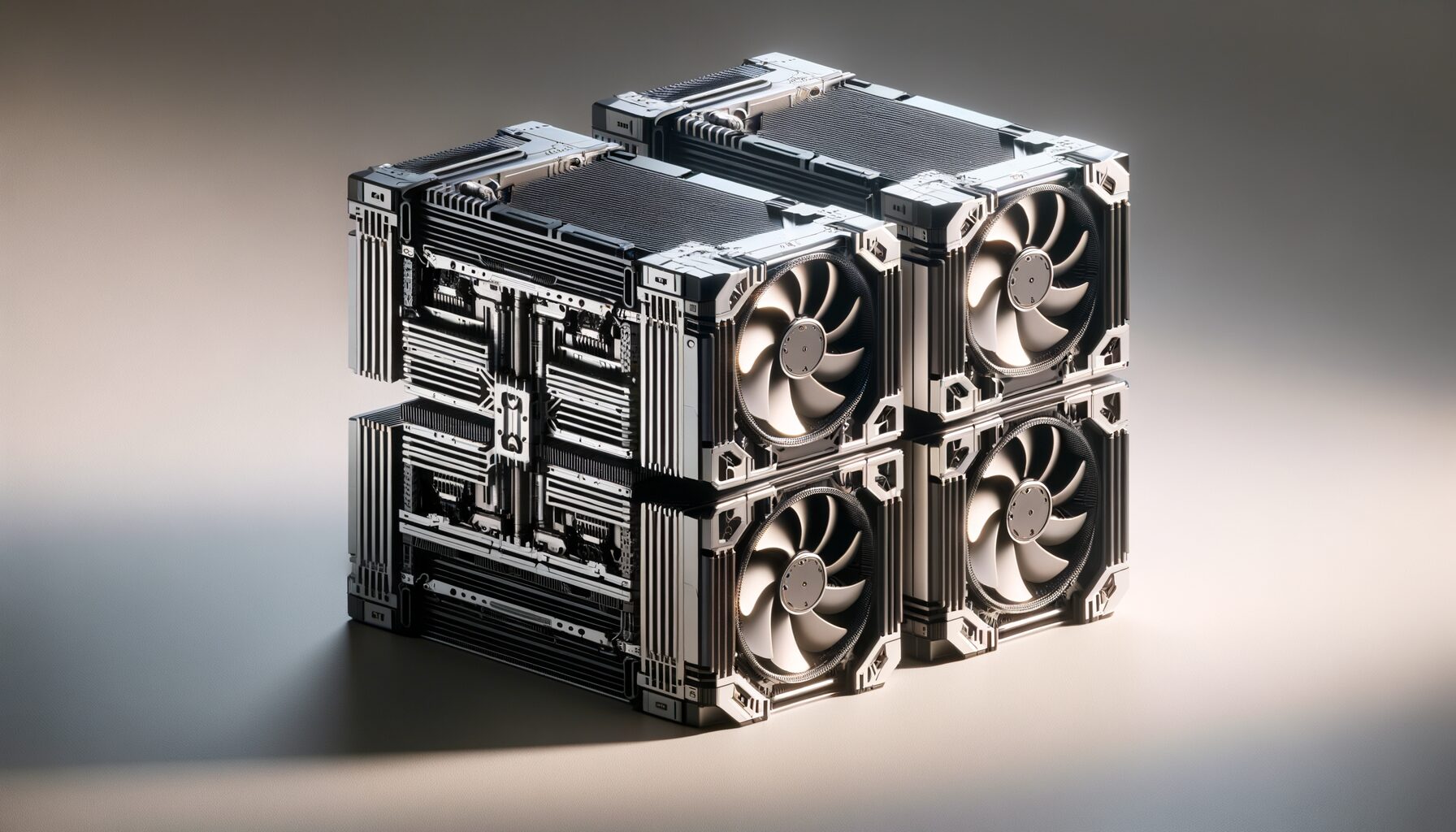
To get the most out of your Dual 5090 and motherboard combination, there are several strategies you can employ. First, ensure that you have adequate cooling solutions in place. High-performance components generate heat, and maintaining optimal temperatures is essential for sustained performance. Consider investing in high-quality CPU coolers or liquid cooling systems to keep temperatures in check.
Another way to maximize performance is through memory optimization. Make sure you’re using high-speed RAM that matches the specifications supported by both the Dual 5090 and your motherboard. Additionally, configuring your memory in dual-channel mode can significantly improve data throughput, enhancing overall system performance. Regularly monitoring system performance through benchmarking tools can also help you identify bottlenecks and areas for improvement.
If you’re considering integrating Dual 5090s into your system, you might be wondering about the compatibility with your motherboard. It’s essential to check whether your motherboard can support such powerful components, as this can significantly impact performance. For a deeper understanding of how powerful systems can handle demanding tasks, you might find this article on the most powerful earthquakes insightful, as it draws parallels between strength and stability in both natural phenomena and computer systems. You can read more about it here.
Overclocking Options for Dual 5090’s and Compatible Motherboards
Overclocking can be an effective way to push your Dual 5090 beyond its stock performance levels, but it requires careful consideration and planning. Not all motherboards support overclocking features, so it’s essential to choose one that does if you’re interested in this route. Look for motherboards with robust power delivery systems and advanced BIOS options that allow for fine-tuning of CPU multipliers and voltages.
When overclocking, start slowly and incrementally increase clock speeds while monitoring temperatures and system stability. Tools like stress-testing software can help you gauge how well your system handles increased loads. Remember that overclocking can void warranties and may lead to hardware damage if not done correctly, so proceed with caution and ensure you have adequate cooling solutions in place.
If you’re considering integrating Dual 5090s into your system, you might be wondering about the compatibility with your motherboard. It’s essential to check whether your motherboard supports the necessary specifications for these components, as compatibility can vary significantly between different models. For more insights on technology and compatibility issues, you can refer to a related article that discusses various tech transitions and their impacts, which can be found here. This information could help you make a more informed decision regarding your setup.
Troubleshooting Common Issues with Dual 5090’s and Motherboard Compatibility
Please visit AITV for the latest news and updates.
Even with careful planning, you may encounter issues when setting up your Dual 5090 with its motherboard. One common problem is failure to boot, which can stem from several sources. First, double-check all connections to ensure everything is seated properly. Loose cables or improperly installed components can lead to boot failures.
Another issue could be related to RAM compatibility. If your system fails to recognize installed memory or experiences frequent crashes, it may be due to incompatible RAM modules. Consult your motherboard’s documentation for a list of compatible memory types and configurations. If problems persist, consider testing each component individually to isolate the issue.
Future Upgrades and Expansion with Dual 5090’s and Motherboard
Planning for future upgrades is an important aspect of building a system around the Dual 5090. When selecting a motherboard, consider its expansion capabilities. Look for additional PCIe slots for future graphics cards or other peripherals, as well as extra RAM slots if you anticipate needing more memory down the line.
Storage options are also worth considering; motherboards with multiple M.2 slots or SATA ports will allow you to expand your storage capacity easily as your needs grow. Additionally, keep an eye on emerging technologies that may enhance your system’s capabilities in the future, such as faster RAM standards or new graphics card architectures.
Best Practices for Maintaining Dual 5090’s and Motherboard Performance
To keep your Dual 5090 and motherboard performing at their best over time, regular maintenance is key. Start by ensuring that your system is clean; dust buildup can hinder airflow and lead to overheating issues. Periodically open up your case to clean out dust from fans and heatsinks using compressed air.
Software maintenance is equally important; keep your operating system and drivers updated to benefit from performance improvements and security patches. Regularly monitor system temperatures and performance metrics using software tools to catch any potential issues early on. By following these best practices, you can help ensure that your Dual 5090 remains a reliable powerhouse for years to come.
FAQs
What is a Dual 5090 system?
A Dual 5090 system refers to a setup where two AMD Radeon RX 5090 graphics cards are used in conjunction to enhance the performance of a computer system, particularly in gaming and graphics-intensive applications.
Can my motherboard support Dual 5090’s?
Whether your motherboard can support Dual 5090’s depends on its compatibility with multiple graphics cards, the availability of PCIe slots, and the power supply capacity. It is recommended to check the motherboard’s specifications and compatibility with the specific graphics cards before attempting to install them.
What are the benefits of using Dual 5090’s in a system?
Using Dual 5090’s in a system can significantly improve graphics performance, allowing for smoother gameplay, faster rendering of graphics, and better multitasking capabilities. It can also support higher resolutions and multiple monitors for a more immersive gaming or professional work experience.
What are the potential drawbacks of using Dual 5090’s in a system?
Some potential drawbacks of using Dual 5090’s in a system include increased power consumption, higher heat generation, and potential compatibility issues with certain applications or games. Additionally, not all games or software may be optimized to fully utilize the capabilities of multiple graphics cards.
What should I consider before installing Dual 5090’s in my system?
Before installing Dual 5090’s in your system, consider factors such as the power supply capacity, cooling solutions, compatibility with your motherboard and other components, as well as the specific requirements of the games or applications you intend to use. It is also important to ensure that your system’s drivers and software are up to date to fully utilize the potential of Dual 5090’s.